You Won’t Believe These Wild Nature Escapes Hiding in Melbourne
Melbourne isn’t just about laneways and coffee—its wild side is closer than you think. Just minutes from the city, untouched forests, coastal cliffs, and serene wetlands reveal a totally different Australia. I was stunned by how easily culture and nature blend here—from Aboriginal heritage in national parks to sustainable local communities. This isn’t just sightseeing; it’s soul-recharging. Let me take you through the natural wonders that make Melbourne’s cultural heartbeat so unique.
Beyond the City: Where Urban Meets Wild
Melbourne’s design philosophy embraces green integration, allowing residents and visitors to transition from bustling streets to peaceful natural settings within a short drive or public transport ride. Unlike many global cities where nature feels distant, Melbourne is uniquely surrounded by protected landscapes that are easily accessible. The city’s urban planning has long prioritized green corridors—tree-lined avenues, parklands, and bike trails—that act as ecological bridges connecting inner suburbs to regional wilderness. These corridors not only support biodiversity but also encourage a lifestyle rooted in outdoor activity and environmental awareness.
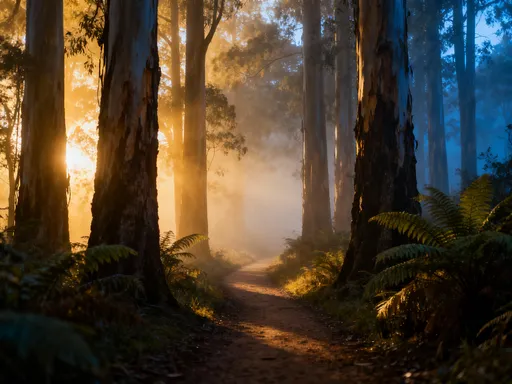
One of the most remarkable gateways to nature is the Dandenong Ranges, rising just 35 kilometers east of the CBD. Here, cool temperate rainforests blanket the hills, with mountain ash trees towering over fern gullies and crystal-clear streams. The area is part of the traditional lands of the Wurundjeri people and has been protected for over a century due to its ecological and cultural significance. Another key natural entry point is Port Phillip Bay, which curves around the city’s southern edge. Its sandy shores, marine sanctuaries, and coastal reserves offer everything from birdwatching to quiet contemplation by the water.
What makes Melbourne’s relationship with nature so special is its accessibility. Public transport networks extend into many of these areas, with trains and buses serving towns like Belgrave and Frankston, which act as gateways to national parks. This seamless connection between urban infrastructure and wild spaces encourages regular engagement with nature, fostering a culture where outdoor wellbeing is not a luxury but a routine. Whether it’s a weekend hike, a morning walk along the bay, or a picnic in a native forest, Melburnians have long understood that time in nature enhances both physical health and emotional balance.
This harmony between city life and wilderness contributes deeply to Melbourne’s identity. It reflects a collective value system—one that respects natural systems while embracing modern living. The city’s parks, such as Royal Park and Fitzroy Gardens, are not just decorative green spaces but vital lungs that improve air quality and provide habitats for native species. These urban-nature interfaces also serve as informal classrooms, where children learn about birds, plants, and seasonal changes without leaving the city limits. In essence, Melbourne’s proximity to nature isn’t accidental—it’s intentional, and it shapes the way people live, think, and connect with their environment.
Cultural Roots in the Landscape: Aboriginal Connections to Country
The natural beauty surrounding Melbourne carries deep cultural meaning for the Kulin Nation, an alliance of five Aboriginal language groups—Wurundjeri, Boonwurrung, Taungurung, Dja Dja Wurrung, and Wathaurung—who have lived on this land for tens of thousands of years. Their connection to Country is not symbolic; it is spiritual, practical, and ongoing. Across the region, from the Yarra River to the You Yangs, Indigenous knowledge continues to inform land management, conservation, and cultural education. Recognizing this living heritage enriches every visit to Melbourne’s natural spaces, transforming a simple walk in the woods into a journey through time and tradition.
In many parks and reserves, visitors can now participate in guided cultural walks led by Aboriginal elders and knowledge holders. These experiences go beyond storytelling—they include demonstrations of traditional fire management, bush food harvesting, and tool-making. At locations like the Dandenong Ranges and Healesville Sanctuary, these programs emphasize sustainability and respect for natural cycles. Participants learn how Aboriginal land care practices, such as cool burning, helped maintain healthy ecosystems long before European settlement. These methods promoted biodiversity, reduced wildfire risks, and encouraged the growth of edible and medicinal plants.
One powerful example is the Wurundjeri Woi Wurrung Cultural Heritage Aboriginal Corporation, which works to protect sacred sites and educate the public about cultural landscapes. They highlight places like Coranderrk, a former Aboriginal mission near Healesville that became a site of resistance and resilience in the 19th century. Today, descendants continue to care for this land, restoring native vegetation and hosting cultural events that welcome respectful visitors. These efforts ensure that Aboriginal voices remain central to how natural areas are understood and preserved.
Respecting this deep connection means more than just listening—it means supporting Aboriginal-led initiatives and tourism ventures. Several certified Aboriginal-owned tour operators offer immersive experiences that blend nature exploration with cultural learning. These include stargazing tours that explain Dreamtime stories connected to constellations, and river walks that describe how waterways were used for travel, food, and ceremony. By choosing these authentic experiences, travelers contribute directly to community-led conservation and cultural revival.
Understanding that nature and culture are inseparable in Aboriginal worldview transforms the way we experience Melbourne’s landscapes. A tree is not just timber; it may be a creator being. A rock formation might mark a significant event in ancestral history. This perspective invites humility and mindfulness, reminding us that we are guests on ancient land. When visitors approach these places with respect—staying on paths, not removing plants, and listening more than speaking—they honor both the environment and the people who have cared for it since time immemorial.
Mornington Peninsula: Coastal Culture and Natural Beauty
Stretching southward into Bass Strait, the Mornington Peninsula is one of Victoria’s most beloved natural escapes, offering a harmonious blend of rugged coastline, therapeutic springs, and vibrant local culture. Just over an hour from Melbourne’s center, the peninsula feels worlds away, with rolling hills, secluded coves, and a slower pace of life. Its natural attractions—like the hot springs at Peninsula Hot Springs, the cliffs of Cape Schanck, and the tranquil waters of Portsea Back Beach—are matched by a thriving community spirit rooted in sustainability, art, and seasonal cuisine.
The peninsula’s geothermal springs have drawn visitors for generations, valued for their restorative properties and serene atmosphere. The modern spa complex at Peninsula Hot Springs integrates naturally into the landscape, with outdoor pools nestled among eucalypts and native grasses. Visitors soak in warm mineral waters while listening to bird calls and the distant sound of waves—an experience that blends physical relaxation with mental clarity. The site also incorporates Indigenous cultural elements, including a dedicated meditation terrace aligned with the summer solstice, acknowledging the spiritual significance of water and land.
Along the coast, walking trails like the Two Bays Walk connect Safety Beach to Sorrento, offering panoramic views of the bay and encounters with native wildlife. Dolphins are often seen offshore, and hooded plovers—rare shorebirds—nest on protected stretches of sand. Local conservation groups work year-round to protect these fragile ecosystems, installing signage, monitoring nests, and engaging volunteers in dune restoration. These efforts reflect a community deeply invested in preserving natural heritage for future generations.
Culturally, the peninsula thrives through farmers markets, artisan galleries, and eco-conscious wineries. Red Hill and Merricks are home to vineyards that prioritize organic farming and low-impact production. Many offer tastings paired with locally sourced cheese, olives, and bread, creating a true farm-to-table experience. Seasonal festivals, such as the Red Hill Show and Main Street Mornington’s Sculpture Exhibition, celebrate both artistic expression and environmental stewardship. These events draw families, artists, and nature lovers, reinforcing a shared commitment to quality of life and ecological balance.
What makes the Mornington Peninsula so special is its ability to offer luxury and simplicity in equal measure. Whether it’s a spa day, a coastal hike, or a quiet picnic overlooking the ocean, the region invites visitors to slow down and reconnect. At the same time, its strong community networks and sustainability initiatives ensure that tourism supports, rather than strains, the local environment. This balance—between enjoyment and responsibility—embodies the best of Melbourne’s natural culture.
The Dandenongs: Mountains, Myths, and Morning Chats with Locals
Rising above the plains like a green fortress, the Dandenong Ranges offer a cool, misty retreat filled with towering trees, hidden valleys, and a strong sense of community. This mountainous region, part of the Great Dividing Range, is home to some of the tallest flowering plants on Earth—mountain ash trees that can exceed 80 meters in height. Walking beneath their canopy feels like stepping into a fairy tale, with moss-covered trunks, hanging lichen, and the soft rustle of possums overhead. The air is crisp and fragrant, carrying the scent of damp earth and eucalyptus.
The towns nestled within the ranges—Sassafras, Olinda, and Montrose—each have their own charm, defined by historic cottages, flower gardens, and a deep appreciation for craftsmanship. Sassafras, in particular, is known for its English-style tea rooms, where visitors enjoy scones, Devonshire tea, and locally baked goods. These family-run establishments often use ingredients from nearby farms, supporting a circular economy that values freshness and locality. Conversations flow easily here; locals greet regulars by name, and visitors are welcomed with warmth and curiosity.
One of the region’s most iconic experiences is the Puffing Billy Railway, a century-old steam train that winds through the forest on narrow-gauge tracks. Originally built to serve remote mountain communities, it now operates as a heritage attraction, offering a nostalgic journey through fern gullies and across trestle bridges. Children press their faces to the windows, spotting kookaburras and rosellas, while adults appreciate the engineering marvel and scenic beauty. The railway is maintained by volunteers, reflecting a broader community commitment to preserving history and natural access.
Art and nature intertwine throughout the Dandenongs. Olinda is home to numerous craft galleries, pottery studios, and botanical gardens, including the renowned Alfred Nicholas Gardens, a former millionaire’s estate transformed into a public park. The gardens feature ornamental lakes, waterfalls, and exotic plantings that blend seamlessly with the native forest. Seasonal events, such as the Rhododendron Festival, draw visitors from across the state, celebrating the region’s horticultural heritage.
But beyond the attractions, it’s the quiet moments that stay with visitors—the sound of rain on giant tree ferns, the warmth of a wood-fired stove in a mountain cabin, the sight of mist curling around treetops at dawn. These experiences are not marketed or staged; they emerge naturally from a place that values stillness, beauty, and human connection. The Dandenongs remind us that nature doesn’t have to be dramatic to be transformative—sometimes, peace is found in a cup of tea, a forest path, or a conversation with a stranger who feels like a friend.
Yarra Ranges and Healesville: Wildlife, Waterfalls, and Cultural Revival
To the northeast of Melbourne, the Yarra Ranges unfold in a tapestry of forest, river, and mountain, offering some of the most biodiverse habitats in southern Australia. This region, named after the Yarra River that begins in its highlands, is a sanctuary for native wildlife and a hub for cultural renewal. Towns like Healesville and Warburton serve as gateways to national parks, walking trails, and conservation projects that blend ecological care with community pride. Here, nature isn’t just preserved—it’s celebrated.
Healesville Sanctuary stands as a cornerstone of wildlife conservation and cultural education. Opened in 1922, it was one of the first Australian zoos designed to reflect natural habitats rather than cages. Today, it plays a vital role in breeding programs for endangered species like the helmeted honeyeater and the southern corroboree frog. Visitors walk along shaded paths, observing platypus in flowing streams, wombats in burrow-like enclosures, and birds of prey in flight demonstrations. The sanctuary also features a dedicated First Peoples area, where Aboriginal rangers share knowledge about animal tracking, bush medicine, and Dreamtime stories connected to native species.
Outside the sanctuary, the region offers countless opportunities to encounter nature firsthand. The Badger Creek Trail leads through tall forest to a cascading waterfall, while the Lake Mountain plateau—recovered after the 2009 bushfires—now supports regenerating alpine ash and a network of cross-country ski trails in winter. Platypus can often be spotted at dawn along the Yarra River near Yellingbo, a critically important habitat for this elusive creature. Local conservation groups monitor water quality and riparian health, working with landowners to protect these sensitive zones.
Culturally, Healesville has undergone a revival in recent years, with a growing emphasis on Indigenous-led initiatives and sustainable tourism. The annual Healesville Country Music Festival and the Yarra Valley Writers Festival attract creative minds while supporting local businesses. Meanwhile, Aboriginal organizations host cultural camps and school programs that teach young people about connection to Country. These efforts ensure that environmental education is not separate from cultural identity but deeply intertwined with it.
The Yarra Ranges also exemplify community resilience. After the devastation of past bushfires, residents came together to rebuild with greater attention to fire safety, native revegetation, and emergency preparedness. Reforestation projects have planted thousands of indigenous trees, and community nurseries supply seedlings for private and public land. This spirit of care and collaboration defines the region—where protecting nature is not seen as a burden but as a shared responsibility and source of pride.
Werribee and the Western Plains: Underrated Natural Gems with Cultural Heart
While many travelers head east or south from Melbourne, the western plains—centered around Werribee and the volcanic grasslands—offer an equally compelling but often overlooked natural experience. This region, shaped by ancient lava flows and open grassy ecosystems, supports unique biodiversity and a rich agricultural heritage. Werribee Park, a 250-hectare estate with formal gardens, a working farm, and a historic mansion, serves as a cultural anchor, blending history, horticulture, and environmental education.
The nearby Western Grasslands Reserve is one of the largest protected temperate grasslands in Australia, home to rare species like the golden sun moth and the striped legless lizard. These ecosystems, once widespread across the plains, have been reduced to fragments due to urban expansion and farming. Conservation efforts here focus on weed control, native seeding, and community engagement. Volunteer groups regularly participate in planting days and bird surveys, helping to restore balance to these delicate habitats.
Werribee also reflects Melbourne’s cultural diversity. The region is home to communities from Vietnam, Lebanon, Sudan, and many other countries, whose traditions have enriched local food, festivals, and environmental practices. Community gardens in Werribee South allow families to grow familiar crops using sustainable methods, fostering both food security and cultural continuity. These gardens often incorporate water-saving techniques and composting, aligning traditional knowledge with modern sustainability.
The Werribee Treatment Plant, surprisingly, has become an unexpected haven for birdlife. Its constructed wetlands attract thousands of waterbirds, including ibis, egrets, and migratory shorebirds. The site includes a bird hide and educational signage, making it a popular spot for school excursions and amateur birdwatchers. This example shows how human infrastructure, when designed thoughtfully, can coexist with nature and even enhance it.
Despite its proximity to Melbourne’s expanding western suburbs, this region maintains a sense of openness and tranquility. The horizon stretches wide, the wind moves freely across the plains, and the sky feels vast. It’s a landscape that invites reflection and connection—not through dramatic peaks or crashing waves, but through stillness, space, and the quiet persistence of life in unexpected places. By visiting Werribee and the western plains, travelers gain a fuller picture of Melbourne’s natural diversity and the inclusive spirit that defines its communities.
How to Experience Melbourne’s Natural Culture Responsibly
As interest in nature-based travel grows, so does the responsibility to protect these precious landscapes. The best way to enjoy Melbourne’s wild escapes is to do so with care, mindfulness, and a commitment to sustainability. Start by planning visits during off-peak times to reduce pressure on popular trails and parking areas. Early mornings or weekdays often offer quieter, more intimate experiences while minimizing environmental impact.
Transport choices matter. Whenever possible, use public transit, carpool, or cycle to natural destinations. Many parks are accessible via train or bus, and regional operators often provide seasonal shuttle services during peak times. For those driving, park only in designated areas to prevent soil erosion and habitat damage. Once on the trail, stick to marked paths—this protects fragile vegetation and prevents the spread of invasive species through soil on shoes and tires.
Supporting local and Indigenous-led businesses is another powerful way to travel responsibly. Choose Aboriginal cultural tours, dine at community-run cafes, and purchase crafts from local artisans. These choices ensure that economic benefits stay within the region and support conservation and cultural preservation. Look for eco-certifications when booking accommodations or tours, which indicate adherence to sustainable practices.
When photographing nature, resist the urge to get too close to wildlife or pose in sensitive areas. Use zoom lenses and observe quietly from a distance. Never feed animals, as human food can harm their health and alter natural behaviors. Carry out all rubbish, including food scraps and biodegradable items, which can attract pests and disrupt ecosystems.
Finally, take time to learn about the land you’re visiting. Read interpretive signs, attend guided walks, and listen to local stories. Understanding the cultural and ecological significance of a place fosters deeper respect and connection. By approaching nature with humility and curiosity, visitors become stewards rather than spectators—helping to ensure that Melbourne’s wild heart continues to beat for generations to come.
Melbourne’s soul lives not just in its galleries or cafes, but in the rustle of eucalyptus leaves and the call of kookaburras at dawn. Its natural areas aren’t separate from culture—they are culture. By stepping into these landscapes, we don’t just escape the city; we connect with a deeper story. The real magic? You don’t need to travel far to feel wild. The invitation is right at the city’s edge—waiting, breathing, alive.