You Won’t Believe Seattle’s Food Scene from the Sky
Seattle’s skyline isn’t just about Space Needle views and ferry-filled harbors—it’s a gateway to something delicious. From rooftop bites with panoramic views to hidden food spots tucked beneath urban bridges, the city’s landscape and cuisine blend in unexpected ways. I was amazed how a simple meal could feel cinematic, framed by mountains, water, and glass towers. This is food with a view, but also food that tells the story of the city. Every bite seems to carry the mist off Puget Sound, the quiet strength of the evergreen forests, and the steady rhythm of a community rooted in nature and innovation. In Seattle, dining is not merely an act of eating—it becomes an experience of place, where the horizon shapes the plate and the weather influences the warmth of your coffee. This is a city where flavor and vista are inseparable.
The Skyline That Feeds the Soul
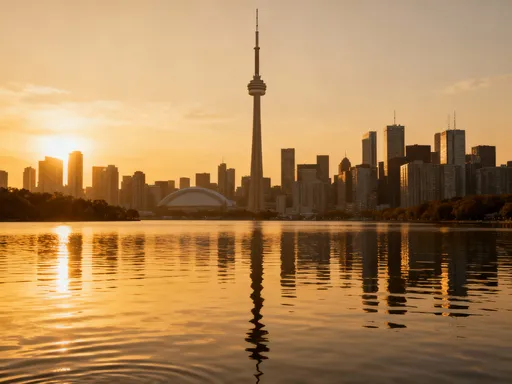
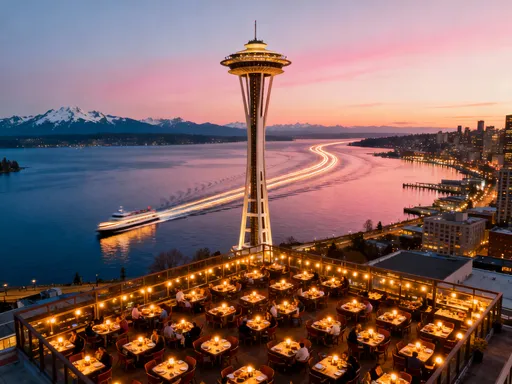
Seattle’s cityscape is unlike any other in the United States. Nestled between the Puget Sound and Lake Washington, with Mount Rainier rising in the distance like a silent guardian, the city’s geography is a constant presence. It doesn’t just surround you—it invites you in, especially at mealtimes. The interplay of water, sky, and urban design creates a backdrop that transforms ordinary meals into memorable moments. Whether you're sipping coffee as the morning light gilds the Olympic Mountains or enjoying a late dinner as ferries glide across the darkening water, the environment is never just background noise. It is an active participant in the dining experience.
What sets Seattle apart is how deeply its restaurants integrate this natural setting into their identity. Many establishments are designed with intention—large windows, open-air patios, and elevated terraces that frame the city like living artwork. The architecture often reflects a balance between modern minimalism and rustic warmth, using wood, glass, and steel to echo the surrounding forests and waters. This is not accidental; it’s a philosophy. Chefs and restaurateurs understand that in a city defined by its views, the meal must be worthy of the vista, and the space must honor the landscape.
Even the rhythm of daily life in Seattle is shaped by its geography. The long, gray winters foster a culture of cozy, comforting food—rich soups, slow-roasted meats, and warm pastries served in inviting spaces with soft lighting and steamed windows. In contrast, the fleeting but glorious summer months bring an explosion of outdoor dining. Rooftop bars, sidewalk cafes, and waterfront picnic spots come alive, encouraging residents and visitors alike to eat outside, where the air carries the scent of saltwater and blooming rhododendrons. The city’s culinary calendar follows the natural one, with seasonal menus that highlight what is fresh, local, and in harmony with the moment.
This deep connection between place and plate means that dining in Seattle is rarely just about sustenance. It’s about immersion. A breakfast of locally baked sourdough with hazelnut butter, served overlooking Lake Union, becomes a meditation on stillness and reflection. A plate of grilled wild salmon at dusk, with the city lights beginning to sparkle, feels like a tribute to the Pacific Northwest’s natural abundance. The skyline, in this sense, does more than provide a view—it feeds the soul.
Elevated Eats: Where to Dine with a View
For those seeking a meal that matches the grandeur of Seattle’s skyline, several real and accessible restaurants deliver on both flavor and perspective. These are not just tourist attractions but destinations beloved by locals, where the quality of food is as important as the quality of the view. One standout is the revolving restaurant atop the Space Needle, recently renovated with floor-to-ceiling glass walls and a modern Pacific Northwest menu. As the platform rotates slowly, guests enjoy a 360-degree panorama of the city, the mountains, and the water, all while savoring dishes like cedar-planked salmon, foraged mushroom risotto, and espresso made from locally roasted beans. The experience is both elegant and approachable, a perfect introduction to Seattle’s elevated dining culture.
Another must-visit is a well-established waterfront restaurant located near Pike Place Market. With its wide deck extending over the Puget Sound, this eatery offers uninterrupted views of the Olympic Mountains and the bustling harbor. It’s particularly renowned for its Dungeness crab dishes—served fresh, cracked, and simply seasoned with lemon and herbs. The kitchen emphasizes sustainability, sourcing seafood daily from local fishermen. Arriving early in the afternoon is recommended to avoid the dinner rush, and requesting a table near the railing ensures an unobstructed view of the ferries coming and going. Even on a cloudy day, the atmosphere remains vibrant, with the sound of seagulls and boat horns adding to the sensory richness of the meal.
For a more contemporary setting, a high-rise cafe in the Belltown neighborhood offers a different kind of skyline experience. Located on the 22nd floor of a modern office building, this cafe serves artisanal coffee, seasonal pastries, and light lunch options like grain bowls and smoked salmon sandwiches. The floor-to-ceiling windows provide a sweeping view of downtown Seattle, with the Space Needle rising just blocks away. It’s a popular spot for remote workers and tourists alike, especially in the morning when the sun floods the room and Mount Rainier glows in the distance. The menu changes monthly, reflecting what’s fresh at nearby farms, and the staff are knowledgeable about both the food and the best times to see the mountain clearly—usually on crisp, clear mornings after a rain.
These venues prove that in Seattle, great views don’t require sacrificing quality. Each has earned its reputation through consistency, attention to detail, and a commitment to showcasing the region’s best ingredients. They are not gimmicks but genuine expressions of the city’s culinary and visual identity. For travelers, visiting one or more of these spots is not just about checking a box—it’s about understanding how Seattleers live, eat, and appreciate beauty in their daily lives.
Street-Level Gems with a Skyline Twist
While rooftop restaurants offer breathtaking panoramas, some of Seattle’s most magical food experiences happen at ground level, where the skyline emerges unexpectedly between buildings, over rooftops, or reflected in puddles after a rain. These are the moments that surprise and delight—when you’re grabbing a taco from a food truck and suddenly notice the entire downtown skyline framed perfectly behind you, bathed in golden light. Kerry Park, though tiny, is perhaps the most famous example. This small public park offers the iconic postcard view of Seattle, with the Space Needle centered in the frame and the skyline stretching across the horizon. What many visitors don’t realize is that several food trucks and pop-up vendors often operate nearby, especially on weekends.
One popular truck serves handmade street tacos with fillings like braised pork, grilled fish, and roasted mushrooms, all topped with fresh salsa and served on corn tortillas. Standing at a picnic table with the skyline behind you, eating a warm taco while the sun sets, is a quintessential Seattle moment. The combination of casual food, natural beauty, and urban backdrop creates a sense of intimacy and wonder. It’s not fancy, but it’s authentic—and it costs a fraction of a fine dining meal. Locals know to come in the late afternoon, when the light is soft and the crowds are smaller, to enjoy both the view and the food without stress.
Another hidden gem is a small taco stand on one of the piers near Elliott Bay. Accessible by a short walk from the ferry terminal, this unassuming spot serves some of the freshest fish tacos in the city, made with cod caught that morning and slaw made from local cabbage and herbs. The best seats are on a weathered bench right at the edge of the pier, where the water laps beneath and the downtown skyline stretches across the bay. On calm evenings, the reflection of the city lights dances on the surface, creating a shimmering mirror image. It’s the kind of place that feels like a secret, even though it’s in plain sight.
These street-level locations matter because they democratize the experience of dining with a view. You don’t need a reservation, a fancy dress code, or a large budget. All you need is curiosity and a willingness to explore. They remind us that beauty and flavor can be found in the most ordinary places—if you know where to look. For families, couples, and solo travelers alike, these spots offer a relaxed, joyful way to connect with the city’s spirit, one bite at a time.
How the City’s Landscape Shapes Its Flavors
Seattle’s cuisine is not just served against a beautiful backdrop—it is born from it. The city’s proximity to the Pacific Ocean, Puget Sound, and numerous rivers means that seafood is central to its culinary identity. Wild salmon, Dungeness crab, geoduck, and oysters are not just menu items; they are regional treasures, harvested sustainably and celebrated in kitchens across the city. Many restaurants work directly with local fishermen, ensuring that seafood goes from boat to plate in less than 24 hours. This commitment to freshness is not a marketing slogan—it’s a standard.
The region’s cool, wet climate also supports a thriving agricultural scene. The Skagit Valley, less than two hours from downtown, is known for its fertile soil and abundant harvests. Farmers there grow everything from berries and apples to heirloom potatoes and specialty greens. These ingredients appear regularly on Seattle menus, often listed with the farm name and location. Farmers markets, especially the one at Pike Place, are not just tourist attractions but essential parts of the city’s food ecosystem. Chefs shop there daily, selecting the best produce for that night’s service. This farm-to-table ethos is deeply embedded in the culture, making seasonal eating a natural habit rather than a trend.
Equally important is the foraging tradition. The Pacific Northwest’s forests are rich with wild mushrooms, berries, and herbs, many of which are incorporated into high-end and casual dishes alike. Chanterelles, morels, and hedgehog mushrooms appear in sauces, omelets, and risottos, especially in the fall. Some restaurants even partner with professional foragers to source these ingredients legally and sustainably. This connection to the wild landscape adds a unique dimension to Seattle’s cuisine—one that feels both ancient and modern.
Coffee, too, is shaped by the environment. Seattle’s rainy, overcast weather has fostered a culture of coffee houses where people gather to stay warm, work, and socialize. The city is home to some of the country’s most respected roasters, who emphasize single-origin beans, light roasting, and precise brewing methods. A morning coffee in Seattle is more than a drink—it’s a ritual, often enjoyed while looking out at the rain-slicked streets and distant mountains. The combination of climate, culture, and craftsmanship has made coffee an integral part of the city’s identity, as much as the Space Needle or the ferries.
Navigating the City for the Best Food-View Combos
Exploring Seattle’s food and view pairings is made easier by the city’s well-organized public transit system and walkable neighborhoods. The Link Light Rail connects Sea-Tac Airport directly to downtown, allowing visitors to arrive without the stress of driving or parking. From the downtown station, it’s a short walk to Pike Place Market, where the first food-view experience awaits: standing at the edge of the market’s famous overlook, watching the ferries cross Puget Sound while eating a clam chowder in a sourdough bread bowl. This simple meal, enjoyed while gazing at the water and mountains, sets the tone for the rest of the trip.
For those heading to higher elevations, the bus system offers reliable service to neighborhoods like Queen Anne and Capitol Hill, both of which have restaurants with stunning views. The #2 bus, for example, climbs Queen Anne Hill and stops near a popular diner that serves hearty breakfasts with panoramic windows. Arriving early ensures a window seat and a clear view of the city waking up. Alternatively, walking or biking along the Elliott Bay Trail provides a scenic route from downtown to the industrial-turned-artsy neighborhood of Georgetown, where a converted warehouse hosts a weekend food market with skyline views and live music.
Ferries are another excellent way to combine dining and sightseeing. The trip from downtown to Bainbridge Island takes about 35 minutes and offers unobstructed views of the Seattle skyline, Mount Rainier, and passing orcas on a lucky day. Many passengers bring picnic baskets, but there’s also a small cafe on board serving coffee, pastries, and sandwiches. Returning in the evening, as the city lights come on, is especially magical. For a full-day adventure, visitors can disembark on Bainbridge, explore the downtown shops and cafes, and enjoy a meal with a view before heading back.
Timing is key to maximizing the experience. Mornings are ideal for clear mountain views, especially after a night of rain when the air is washed clean. Late afternoons offer golden light for photos and a warmer atmosphere at outdoor spots. Checking the weather and tide charts can help plan the best days for waterfront dining. Neighborhoods like Belltown, Pioneer Square, and South Lake Union naturally combine good food and good views, making them reliable choices for first-time visitors.
Seasonal Shifts: How Time of Year Changes the Experience
Seattle’s food and view culture shifts beautifully with the seasons, offering distinct experiences throughout the year. Summer is the most vibrant time, with long daylight hours and a surge of outdoor dining. Rooftop bars come alive, farmers markets expand, and festivals celebrate local seafood, especially salmon. The city hosts several summer events where food trucks, live music, and skyline views come together in parks and waterfront plazas. This is also the best time to see Mount Rainier clearly, as the skies are often clear and the mountain glows in the afternoon sun.
Fall brings a more introspective mood, with cooler temperatures and golden light filtering through the trees. It’s mushroom season, and menus across the city feature wild foraged varieties in rich, earthy dishes. Cozy wine bars and gastropubs become popular, offering warm interiors with large windows that frame the changing leaves and misty mornings. The contrast between the warmth inside and the cool, damp air outside creates a comforting duality that defines the season.
Winter is often misunderstood as a time to avoid travel, but in Seattle, it has its own quiet beauty. The days are short and gray, but the city responds with warmth—literally. Cafes steam up their windows, restaurants serve hearty stews and mulled wine, and holiday lights twinkle along the waterfront. Indoor dining with a view becomes a sanctuary, where a bowl of chowder and a window seat can feel like a retreat. On rare clear nights, the city lights reflect off a frost-covered lake, creating a serene, almost magical atmosphere.
Spring arrives gently, with cherry blossoms blooming in Volunteer Park and farmers markets restocking with the first greens of the year. This is a time of renewal, when the city shakes off the winter and embraces the return of light and color. Restaurants update their menus with asparagus, ramps, and fresh herbs, and outdoor seating reappears. The combination of new growth and lingering mist creates a soft, dreamlike quality that enhances every meal. Each season, in its own way, offers a unique lens through which to experience Seattle’s blend of food and view.
Why This Blend of Food and Cityscape Matters
The fusion of Seattle’s urban landscape and its food culture is more than just a pleasant coincidence—it reflects a deeper philosophy about how people connect with place. In a world where travel can feel rushed and superficial, Seattle offers a model of mindful engagement. Here, meals are not isolated events but part of a continuous dialogue between human creativity and natural beauty. The city demonstrates that urban design, environmental stewardship, and culinary artistry can work together to create meaningful experiences.
This integration invites travelers to slow down, to look up from their plates, and to see how food tells the story of a region. It encourages a more thoughtful way of moving through the world—one that values sustainability, seasonality, and authenticity. When you eat a piece of salmon in Seattle, you’re not just tasting a fish; you’re tasting the cold, clear rivers of the North Cascades. When you drink coffee, you’re participating in a culture shaped by rain, community, and craftsmanship.
Ultimately, Seattle’s food scene from the sky is a reminder that the best travel experiences are multi-sensory. They engage the eyes, the palate, the mind, and the heart. They leave you not just full, but enriched. As more cities look for ways to stand out, Seattle’s example shows that true distinction comes not from spectacle alone, but from harmony—between nature and city, between flavor and view, between the moment and the memory. For anyone seeking a journey that nourishes both body and soul, Seattle offers a blueprint worth following.