You Gotta See These Lagos Theme Spots – My Check-In Diary
Lagos isn’t just Nigeria’s heartbeat—it’s a vibrant story waiting to be lived. From art-filled districts to coastal hangouts, I checked in to uncover the city’s themed spaces that define its soul. What I found wasn’t just beautiful; it was real, bold, and full of rhythm. This is more than sightseeing—it’s feeling the pulse of a city that never stops evolving. As one of Africa’s most dynamic megacities, Lagos has transformed from a commercial gateway into a destination where culture, creativity, and community converge in intentional, immersive ways. These themed zones aren’t tourist traps—they’re authentic expressions of identity, resilience, and innovation. Whether you're drawn to the sea breeze of Victory Beach, the electric energy of Yaba’s tech scene, or the handwoven stories at Lekki Market, Lagos invites you not just to observe, but to participate.
The Pulse of Lagos: Why Theme Areas Define the City’s Travel Identity
Lagos has long been known as Nigeria’s economic engine, a sprawling metropolis of over 15 million people where commerce never sleeps. But in recent years, a quieter, more colorful revolution has taken root—one that redefines what it means to visit this West African giant. Travelers are no longer satisfied with匆匆 glimpses of city life from behind tinted car windows. They seek connection, context, and curated experiences that reflect the true spirit of the place. This shift has given rise to what can now be called Lagos’ theme areas—distinct neighborhoods intentionally cultivated around specific cultural expressions such as art, technology, food, and heritage. These spaces offer more than aesthetic appeal; they provide narrative depth, allowing visitors to understand Lagos not as a chaotic urban mass, but as a collection of living, breathing communities with unique identities.
What makes these theme areas so compelling is their authenticity. Unlike manufactured attractions built solely for tourism, many of Lagos’ most vibrant districts evolved organically. Artists transformed abandoned warehouses into galleries. Young entrepreneurs turned residential streets into innovation hubs. Street vendors elevated local recipes into culinary landmarks. Over time, city planners and cultural advocates recognized the value of these grassroots movements and began supporting them through infrastructure, events, and policy. The result is a travel experience that feels both accessible and meaningful—where a walk through Yaba offers insight into Nigeria’s digital future, and a meal in Surulere connects you to generations of family tradition.
For the modern traveler—particularly women between 30 and 55 who value enriching, safe, and well-structured experiences—these themed zones offer a powerful sense of purpose. They allow for deeper engagement without sacrificing comfort or clarity. Instead of feeling overwhelmed by the city’s scale, visitors can focus on one theme at a time: spend a morning exploring textiles at Lekki Market, an afternoon attending a design workshop in Iganmu, and an evening tasting suya under string lights in Surulere. This modular approach to travel empowers guests to move with intention, creating personal itineraries that reflect their interests while respecting local rhythms.
Victory Beach & Eko Atlantic: Where Urban Dreams Meet the Shoreline
Along the Atlantic coast, Lagos presents a striking duality: the raw, rhythmic energy of Victory Beach and the sleek, futuristic vision of Eko Atlantic. Together, they form one of the city’s most compelling coastal experiences—a place where tradition and ambition stand side by side, separated only by a stretch of sand and sea. Victory Beach, located in the Lekki Peninsula, remains a beloved escape for locals seeking sun, music, and connection. On any given weekend, families spread out under colorful umbrellas, children splash in the surf, and food vendors grill corn and fish over open flames. The air hums with Afrobeat melodies, laughter, and the occasional call to prayer drifting from a nearby mosque. It’s unfiltered, lively, and deeply Nigerian—a space where joy is not performed, but lived.
Just a short drive away, Eko Atlantic rises like a vision from the future. Built on land reclaimed from the ocean, this planned city within a city aims to become a global business and residential hub. With wide boulevards, modern architecture, and promises of flood protection, Eko Atlantic represents Nigeria’s aspirations for sustainable urban development. For visitors, it offers a different kind of beach experience—one defined by order, safety, and sophistication. Walking along its promenade, you’ll find joggers in athletic wear, couples enjoying sunset views, and cyclists navigating smooth paths. Cafés serve cold-pressed juices and artisanal coffee, while security personnel ensure a calm, controlled environment. It’s a space designed for comfort and convenience, ideal for those who want to enjoy the coast without the crowds or chaos.
What makes this coastal pairing so special is how it reflects Lagos itself—simultaneously grounded and forward-looking. Travelers can experience both worlds in a single day, gaining a fuller understanding of the city’s complexity. To make the most of this visit, timing is key. Weekdays are best for a peaceful experience at Eko Atlantic, while weekends bring Victory Beach to life. Public transportation options are limited, so using ride-hailing apps like Bolt or Uber is recommended. Safety should always be a priority: keep valuables out of sight, stay within designated areas, and avoid swimming in the ocean due to strong currents. Dress in light, breathable clothing, bring sunscreen, and carry water to stay hydrated. Whether you’re relaxing on a beach towel or sipping coconut water on a seaside terrace, this stretch of Lagos reminds you that progress and pleasure can coexist.
Yaba’s Creative Tech Hub: Innovation as a Travel Experience
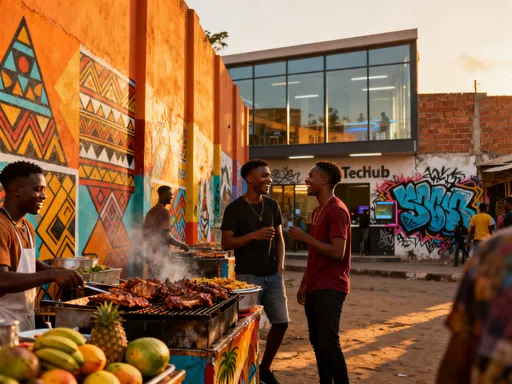
Nestled in mainland Lagos, Yaba has emerged as the heart of Nigeria’s tech revolution—a neighborhood where innovation isn’t confined to boardrooms, but spills onto the streets, into cafes, and across pop-up event spaces. Known locally as “Yabacon Valley,” this bustling district is home to startups, incubators, coding bootcamps, and co-working spaces that attract young professionals from across the country. But Yaba is more than a tech cluster; it’s a cultural phenomenon where digital ambition meets creative expression. Murals celebrate African inventors, street vendors sell snacks to coders on break, and music from local artists plays in shared workspaces. For travelers, visiting Yaba offers a rare opportunity to witness the birth of a digital economy in real time.
One of the most exciting aspects of Yaba is its openness to visitors. Unlike closed corporate campuses, many of its innovation centers host public events, hackathons, and demo days. Places like Co-Creation Hub (Cc-Hub) and Ventures Platform regularly welcome guests to workshops, panel discussions, and networking sessions. These events are not only educational but deeply human—filled with passionate conversations about solving real problems, from healthcare access to financial inclusion. Even if you’re not a technologist, observing these gatherings provides insight into the values driving Nigeria’s youth: collaboration, resilience, and a desire to build something lasting. For families traveling with older children or teens, a guided tour of a tech space can be both inspiring and eye-opening.
To truly engage with Yaba’s spirit, consider timing your visit around Lagos Tech Week or a startup pitch event. These gatherings draw entrepreneurs, investors, and creatives from across Africa, creating a festival-like atmosphere. Wear comfortable shoes, bring a notebook, and don’t hesitate to ask questions—Lagosians are generally warm and welcoming to curious guests. While the pace can be fast, the energy is inclusive. You’ll find women leading teams, mentoring students, and launching ventures, reflecting the growing role of female leadership in Nigeria’s tech scene. By experiencing Yaba not as a spectator but as a participant, even briefly, you gain a deeper appreciation for how innovation shapes everyday life in modern Africa.
Lekki Arts & Craft Market: A Sensory Journey Through Nigerian Creativity
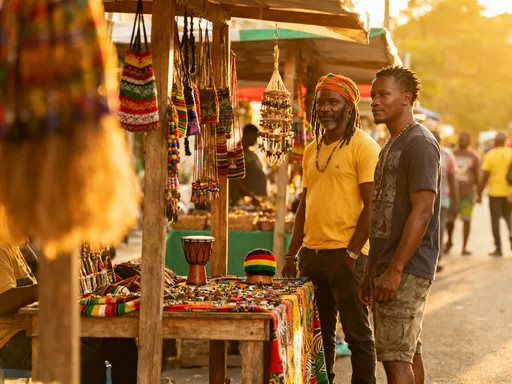
If Lagos has a soul, you’ll find it at the Lekki Arts & Craft Market. Nestled along the Lekki-Epe Expressway, this vibrant marketplace is a celebration of Nigerian artistry in every form: carved wooden masks, hand-beaded jewelry, handwoven textiles, and colorful paintings that tell stories of folklore, faith, and family. Open daily but most lively on weekends, the market welcomes thousands of visitors seeking authentic souvenirs and cultural connection. Walking through its covered walkways, you’re surrounded by color and sound—the rustle of fabric, the tap of hammers shaping metal, the soft tones of Yoruba being spoken among artisans. Each stall is a window into a craftsperson’s world, often passed down through generations.
More than a shopping destination, the Lekki Market plays a vital role in preserving Nigeria’s cultural heritage. In an age of mass production, these handmade goods represent continuity and pride. Many artisans incorporate traditional symbols and techniques, such as adire dyeing or Benin bronze casting, ensuring that ancestral knowledge remains alive. For travelers, especially women who value craftsmanship and storytelling, this market offers a deeply personal experience. You can watch a weaver create a kente cloth, learn about the meaning behind a tribal mask, or commission a custom piece. These interactions go beyond transaction—they build bridges of understanding and respect.
When visiting, a few practical tips enhance the experience. Bargaining is expected but should be done politely and with a smile. Start by asking the price, then offer slightly less, and meet somewhere in the middle. Always ask permission before taking photos of people or their work—many appreciate a small tip in exchange. To support the community, consider purchasing directly from the makers rather than resellers. Bring cash in smaller denominations, as not all vendors accept cards. And take your time—rushing through the market means missing the quiet moments of connection that make it special. Whether you leave with a beaded necklace or a hand-painted mural, you carry more than an object; you carry a piece of Lagos’ heart.
Iganmu’s Design District: Hidden Studios and Urban Revival
A short distance from the city center, Iganmu offers a quieter, more introspective side of Lagos’ creative renaissance. Once an industrial zone filled with disused factories and storage units, this neighborhood is undergoing a quiet transformation. Artists, designers, and architects have moved into old warehouses, converting them into studios, exhibition spaces, and collaborative workshops. Unlike the bustling energy of Yaba or the tourist buzz of Lekki Market, Iganmu moves at a slower pace—a place where creativity unfolds in solitude and community alike. Murals cover exterior walls, sculptures peek out from alleyways, and the scent of fresh paint lingers in the air.
What sets Iganmu apart is its authenticity. There are no curated gift shops or guided tours—at least not yet. Instead, visitors stumble upon creativity in unexpected places: a potter shaping clay in an open garage, a fashion designer draping fabric on a mannequin in a sunlit loft, a group of students sketching building facades. Some spaces welcome guests during open studio days, often advertised on social media or through word of mouth. These events provide rare access to the creative process, allowing travelers to see how ideas become art. For women who appreciate craftsmanship, design, and urban renewal, Iganmu offers a refreshing contrast to more commercialized destinations.
The district’s evolution reflects a broader trend in Lagos: the revitalization of forgotten spaces through culture. City officials and private investors are beginning to recognize the value of these grassroots movements, supporting infrastructure improvements and cultural grants. While Iganmu remains off most tourist maps, its potential is growing. For those willing to explore, it offers a sense of discovery—the thrill of finding something real, untouched, and full of promise. To visit, hire a trusted driver or use a ride-hailing app, and go during daylight hours. Wear walking shoes, bring a camera, and approach with curiosity rather than expectation. This is not a place to rush through, but to absorb—one quiet studio at a time.
Food Trails in Surulere: Flavor as a Thematic Destination
In Lagos, food is more than sustenance—it’s a language of love, memory, and belonging. Nowhere is this more evident than in Surulere, a residential neighborhood turned culinary hotspot where street food stalls and family-run eateries serve up some of the city’s most beloved dishes. Known for its warm, communal atmosphere, Surulere invites visitors to slow down and savor. The scent of grilled meat, fried plantains, and spiced stews fills the air, drawing people from across the city. Jollof rice, often at the center of lively debates about which country makes it best, is served here with pride—fluffy, smoky, and deeply flavorful. Suya, skewered meat rubbed with spicy peanut seasoning, sizzles over open flames, while puff-puff and akara offer sweet and savory snacks for those with a lighter appetite.
What makes Surulere special is its accessibility and authenticity. Unlike high-end restaurants that cater to expatriates or business elites, the food here is made by and for locals. Many vendors have been cooking the same recipes for decades, often learned from mothers and grandmothers. Sitting on a plastic stool under a canopy, sharing a meal with strangers, becomes an act of connection. For women travelers, particularly those interested in home cooking and family traditions, Surulere offers a comforting, grounding experience. You’re not just eating—you’re witnessing the rhythm of daily life, where food brings people together across generations and backgrounds.
To enjoy Surulere’s food trail safely, a few guidelines help. Choose stalls that are busy—high turnover usually means fresh ingredients. Look for vendors who handle food with gloves or utensils, and avoid raw salads if you’re sensitive to stomach changes. Drink bottled water and avoid ice unless you’re sure of its source. Must-try dishes include amala with ewedu and gbegiri soup, mosa (fried bean cakes), and chilled zobo drink made from hibiscus. If possible, go with a local guide or join a small-group food tour, which enhances both safety and understanding. By engaging respectfully—with a smile, a thank you, and an open mind—you honor the culture behind every bite.
Navigating Lagos Like a Local: Practical Check-In Strategies
Traveling in Lagos doesn’t have to be overwhelming—if you go with the right tools and mindset. The city’s size and pace can seem daunting at first, but with thoughtful planning, it becomes manageable and even enjoyable. The key is to travel like a local: use the same apps, respect the same rhythms, and move with awareness. Ride-hailing services like Bolt and Uber are widely available and offer a safe, reliable way to get around. They’re especially useful for reaching destinations like Eko Atlantic or Iganmu, where public transport options are limited. Always confirm your driver’s name and plate number before entering the car, and share your trip details with someone you trust.
Timing matters. Lagos traffic is legendary, with rush hours stretching from 7–10 a.m. and 4–8 p.m. To avoid stress, plan outdoor activities for early mornings or late afternoons. Weekends are ideal for visiting markets and beaches, but also the busiest—so arrive early. Dress modestly and comfortably; lightweight fabrics work best in the heat. While Lagos is generally safe for tourists, it’s wise to stay alert, avoid flashing valuables, and stick to well-lit, populated areas at night. Women traveling alone should feel confident but cautious, trusting their instincts and seeking help when needed.
Cultural respect goes a long way. Greetings matter—taking a moment to say “Good morning” in English or “Ẹ káàrọ” in Yoruba opens doors. Ask before taking photos, support local businesses by buying directly from artisans and vendors, and tip when appropriate. Most importantly, approach Lagos with humility and curiosity. This is not a city to conquer, but to connect with. Its theme areas exist not for show, but because people live, work, and dream there every day. When you visit with purpose and respect, you don’t just see Lagos—you become part of its story.
Lagos doesn’t ask you to watch—it asks you to join. Its theme areas aren’t staged for photos; they’re lived every day. By checking in with purpose, travelers don’t just see Nigeria’s largest city—they feel its rhythm, respect its resilience, and leave changed.