What Nobody Tells You About Krabi’s Natural Wonders
You know how travel blogs make Krabi look like pure paradise? Limestone cliffs, emerald waters, secret lagoons — it’s all real. But here’s what they *don’t* show: the crowded viewpoints, the misleading trails, the “hidden” spots that aren’t so hidden anymore. I went chasing serenity in Krabi’s natural areas and learned the hard way. Some experiences were mind-blowing, others? Total letdowns. Let’s talk about how to truly experience Krabi’s beauty — without falling into the same traps I did.
The Allure of Krabi’s Natural Landscapes
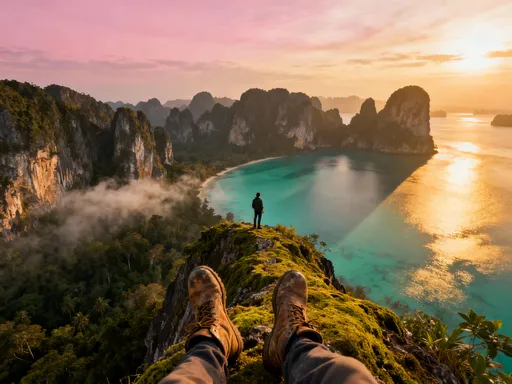
Krabi, on Thailand’s Andaman coast, is renowned for its dramatic natural beauty. Towering limestone karsts rise from the sea like ancient sentinels, draped in emerald green and surrounded by water so clear it mirrors the sky. The region’s white-sand coves, tucked between cliffs and accessible only by boat, feel like private sanctuaries. Railay Beach, reachable only by longtail boat, is a favorite for its soft sands and rock climbing routes. The Hong Islands, a protected marine park, boast shallow turquoise lagoons that connect during low tide, creating a surreal, dreamlike expanse perfect for swimming and kayaking.
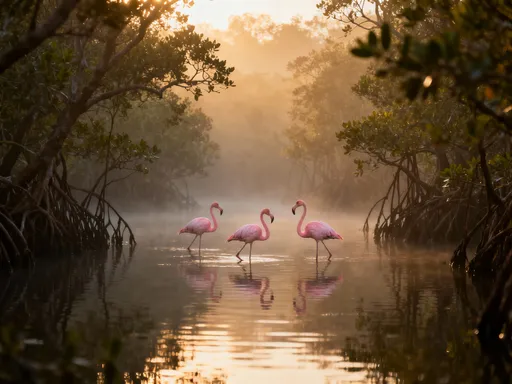
These landscapes are not just beautiful—they are geologically significant. The karst formations were shaped over millions of years by erosion, creating caves, arches, and hidden passages that intrigue both scientists and adventurers. Mangrove forests line parts of the coastline, acting as natural buffers against storms and nurseries for marine life. Krabi’s ecosystem supports diverse species, from monitor lizards and macaques to colorful reef fish and migratory birds. This rich biodiversity, combined with breathtaking scenery, is why Krabi consistently ranks among Southeast Asia’s top nature destinations.
For many travelers, visiting Krabi feels like stepping into a travel magazine. The imagery is so iconic that it shapes expectations before arrival. People imagine solitude, crystal-clear waters, and untouched nature. Yet, this very allure has led to challenges. The same features that make Krabi magical are now under pressure from the sheer number of visitors drawn to them. What was once a quiet retreat is now a well-trodden path for tour groups, day-trippers, and social media seekers. The gap between expectation and reality can be jarring, especially for those hoping to connect with nature in a meaningful way.
Understanding Krabi’s natural appeal is the first step in navigating it wisely. Recognizing that these landscapes are not just backdrops for photos, but living, fragile ecosystems, changes how we interact with them. The beauty is real, but so are the consequences of unmanaged tourism. To truly appreciate Krabi, one must look beyond the surface and consider how to experience it sustainably—without contributing to the degradation of the very places we come to admire.
Overcrowding in “Hidden” Natural Spots
One of the most surprising realities of visiting Krabi is how difficult it is to find true solitude. Places once described as hidden gems are now swarmed with tourists. Take the Phi Phi Islands, for example. Once a quiet archipelago known for its dramatic cliffs and pristine beaches, it now receives thousands of visitors daily, especially during high season. Speedboats and longtail boats arrive in waves, unloading groups onto Maya Bay—the famous filming location of *The Beach*. Though the bay was closed for ecological recovery from 2018 to 2022, its reopening has brought back large crowds, and the surrounding waters often feel more like a marine transit hub than a serene escape.
Chicken Island, another popular stop on island-hopping tours, faces similar issues. Known for its shallow sandbar that connects two beaches, it draws dozens of boats each morning. By midday, the sandbar is dotted with sunbathers, swimmers, and selfie-takers, making it nearly impossible to experience the quiet beauty that once defined it. Even lesser-known spots like Bamboo Island and Pak Bia Island, once favored by eco-tourists for their coral reefs and seclusion, now see regular boat traffic. The irony is clear: the more a place is marketed as “undiscovered,” the faster it loses that status.
Tourism numbers reflect this shift. Before the pandemic, Krabi Province welcomed over three million international visitors annually. While numbers dipped in 2020 and 2021, they rebounded quickly, with 2023 seeing over 80% recovery compared to pre-COVID levels. Domestic tourism has also surged, with Thai families flocking to Krabi during holidays. This influx means that even on weekdays, popular trails, viewpoints, and beaches are rarely empty. The environmental toll is evident—trampled vegetation, increased litter, and stress on marine life from snorkelers and boat anchors.
For travelers seeking peace, this overcrowding can be disheartening. The dream of a quiet sunrise at a secluded lagoon often ends with a dozen other boats already moored nearby. Swimming becomes a game of avoiding kickboards and inflatable floats. The noise of engines and chatter replaces the sounds of waves and birds. Yet, this is not a reason to avoid Krabi altogether. Instead, it’s a call to rethink how and when we visit. Choosing off-peak times, avoiding the most hyped destinations, and supporting smaller, responsible tour operators can help reduce impact and improve the experience for everyone.
Misleading Trail Access and Safety Risks
Exploring Krabi’s natural wonders often involves hiking, but not all trails are clearly marked or safe for casual visitors. One common issue is the lack of reliable signage, especially on paths leading to viewpoints or lagoons. The Khao Phra Bang Kram Nature Trail, for instance, offers a rewarding walk through a limestone forest with views of wetlands and birdlife. However, without a guide or a detailed map, it’s easy to take a wrong turn. Some visitors report finding themselves on narrow, unmarked paths that lead to dead ends or steep drop-offs.
Other trails, such as those leading to lesser-known lagoons or cliffside lookouts, may be shared with wildlife or have unstable terrain. Rocky surfaces can become extremely slippery when wet, particularly during or after rain. Sudden weather changes are common in tropical climates—bright sunshine can quickly turn into heavy downpours, making trails muddy and dangerous. In some areas, there is no emergency communication, and help may be hours away. This is especially true in remote mangrove zones or on isolated islands where rescue services are limited.
One of the most overlooked risks is tide timing. Many natural attractions, such as lagoons accessible only at low tide, can become trapped zones if visitors miscalculate. The famous Emerald Pool on Koh Mook requires crossing a sandbar that disappears underwater during high tide. Tourists who ignore tide charts have been stranded, requiring boat rescues. Similarly, kayaking through mangrove tunnels without checking tidal flow can lead to being stuck in shallow or receding water.
To stay safe, preparation is essential. Wearing sturdy footwear with good grip, carrying water, and bringing a fully charged phone with offline maps can make a difference. Checking weather forecasts and tide schedules before heading out is crucial. Whenever possible, hiring a local guide not only improves safety but also enriches the experience with knowledge about plants, animals, and cultural significance. Responsible exploration means respecting natural conditions and not pushing beyond one’s limits for the sake of a photo.
Unregulated Tour Operators and Environmental Harm
While many tour operators in Krabi follow sustainable practices, others prioritize profit over preservation. One of the most damaging practices is anchoring directly on coral reefs. Some budget longtail boat tours drop anchors onto fragile coral structures to save time or avoid using mooring buoys. This can break and kill coral, which grows extremely slowly—some colonies take decades to recover. Areas like Pak Bia Island and the Hong Muang Islands, known for their vibrant reefs, have shown signs of coral damage linked to repeated anchoring.
Another issue is wildlife disturbance. In some lagoons and mangrove zones, tour guides encourage tourists to feed fish or touch marine animals like sea cucumbers and starfish. While it may seem harmless, feeding disrupts natural feeding behaviors and can lead to health problems in marine life. Touching coral or reef creatures, even gently, can damage their protective mucus layers and make them vulnerable to disease. Speeding through protected marine zones also harms ecosystems—boat wakes erode shorelines and disturb nesting birds and sea turtles.
Plastic pollution is another growing concern. Some tours provide single-use plastic bottles, snacks in non-biodegradable packaging, and floating noodles or bread for fish feeding. These items often end up in the water, where they can be mistaken for food by marine animals. Turtles, in particular, are known to ingest plastic bags, mistaking them for jellyfish. Even biodegradable items like fruit peels should not be left behind, as they decompose slowly in marine environments and attract pests.
Travelers can help by choosing eco-responsible operators. Look for companies that use reusable water bottles, carry trash back to shore, avoid anchoring on reefs, and educate guests about conservation. Some are certified by local environmental organizations or participate in reef monitoring programs. Asking questions—such as whether they use mooring buoys, support community conservation, or limit group sizes—can reveal a company’s commitment to sustainability. Supporting responsible tourism ensures that Krabi’s natural wonders remain intact for future generations.
Timing Mistakes That Ruin the Experience
One of the most common mistakes visitors make is arriving at natural attractions during peak hours. Midday is the busiest time at most viewpoints, beaches, and lagoons. The sun is at its strongest, making the heat intense and increasing the risk of dehydration or sunburn. Trails become crowded, with long lines to enter popular spots like the Emerald Pool or the Railay Viewpoint. Photos taken at this time often lack contrast—the bright light washes out colors and creates harsh shadows.
By contrast, visiting early in the morning offers a completely different experience. The air is cooler, the light is soft and golden, and the crowds are minimal. Birdlife is most active at dawn, and the water often appears calmer and more reflective. Early risers can enjoy a peaceful swim or kayak session without competition for space. Similarly, late afternoon visits, just before sunset, provide warm, diffused lighting ideal for photography and a more relaxed atmosphere as day-trippers begin to leave.
Seasonal timing also plays a crucial role. Krabi has a tropical climate with two main seasons: dry (November to April) and wet (May to October). The dry season is peak tourist time, with clear skies and calm seas—ideal for island hopping and snorkeling. However, this is also when places are most crowded. The wet season brings heavier rainfall and occasional storms, which can lead to temporary closures of certain trails, caves, or marine areas due to safety concerns. Some boat tours are suspended during rough seas, and kayaking in mangroves may be unsafe due to strong currents.
Yet, the wet season has its advantages. Fewer tourists mean more solitude, and the landscape becomes lush and vibrant. Waterfalls like Thung Dua and Huai Toh are at their fullest during this time, creating powerful, misty cascades. If visiting during the rainy months, flexibility is key—be prepared to adjust plans based on weather conditions. Checking daily forecasts and consulting local operators can help avoid disappointment. Choosing the right time to visit enhances both safety and enjoyment, turning a potentially frustrating trip into a memorable one.
Alternative, Underrated Natural Escapes
For those seeking beauty without the bustle, Krabi offers several lesser-known natural escapes. Thung Dua Waterfall, tucked in a forested valley, is a serene cascade surrounded by smooth rocks and dense greenery. Unlike more famous waterfalls, it rarely sees large crowds, especially on weekdays. The sound of rushing water, the cool mist in the air, and the shade of the jungle canopy create a peaceful atmosphere perfect for quiet reflection or a refreshing swim.
Another hidden gem is Huai Toh Waterfall, located near the border with Trang Province. This multi-tiered waterfall flows through a series of natural pools, ideal for wading and cooling off. The path to the falls is simple but scenic, winding through thick vegetation where birds and butterflies are commonly seen. Because it’s less accessible by mainstream tours, it remains relatively untouched. Visitors are encouraged to respect the space—no loud music, no littering, and no climbing on fragile rock formations.
The mangrove tunnels of Bor Thor offer a completely different experience. Paddling through narrow, shaded waterways lined with tangled roots feels like entering another world. The stillness is broken only by the call of kingfishers or the splash of a jumping fish. These tunnels are part of a larger mangrove conservation area, playing a vital role in coastal protection and carbon storage. Guided kayaking tours here often include educational stops where visitors learn about mangrove ecology and local conservation efforts.
While these spots are quieter, they are not immune to impact. As more travelers seek alternatives to crowded destinations, even remote areas face pressure. The key is low-impact visitation—staying on designated paths, avoiding loud noises, and taking all trash with you. By treating these places with care, we help ensure they remain peaceful havens rather than the next overvisited hotspots.
How to Explore Responsibly and Mindfully
Experiencing Krabi’s natural wonders doesn’t have to come at the expense of the environment. Responsible exploration starts with small, intentional choices. Hiring local guides supports community livelihoods and ensures safer, more informed visits. These guides often have deep knowledge of the land, weather patterns, and cultural significance of natural sites. They can lead visitors to rewarding experiences while avoiding sensitive or dangerous areas.
Reducing plastic waste is another critical step. Carrying a reusable water bottle, using a refillable container for snacks, and refusing single-use items significantly cuts down on litter. Many eco-friendly tours now provide filtered water stations or bamboo bottles. When dining at local restaurants, opting for meals served on reusable plates instead of takeaway packaging also helps.
Staying on marked trails protects fragile vegetation and prevents soil erosion. Straying off paths may seem harmless, but repeated foot traffic damages plant roots and disturbs wildlife habitats. In mangrove areas, stepping on exposed roots can kill entire trees. Similarly, avoiding coral contact while snorkeling—by maintaining buoyancy and not touching the reef—preserves these delicate ecosystems.
Supporting community-run eco-tours directly benefits local conservation. Many villages now offer sustainable tourism initiatives, such as guided mangrove walks, traditional fishing demonstrations, or homestays. These experiences provide authentic cultural exchange while funding environmental protection. Travelers who choose such options contribute to a model where nature and communities thrive together.
Mindful exploration also means slowing down. Instead of rushing from one Instagram spot to the next, take time to observe, listen, and appreciate. Sit quietly by a waterfall. Watch how light filters through the trees. Notice the small creatures living in the mangroves. These moments of presence create deeper, more lasting memories than any photo ever could. True connection with nature comes not from conquering a checklist, but from respectful, attentive engagement.
Conclusion
Krabi’s natural beauty is still worth the journey—but only if we approach it with awareness, respect, and smarter choices. The postcard-perfect images are real, but they come with a responsibility to protect what makes them special. The real secret to experiencing Krabi isn’t in finding untouched places, because few remain untouched. It’s in how we choose to visit them.
By avoiding overcrowded hotspots, preparing for safety, supporting eco-conscious operators, and exploring at better times, travelers can enjoy Krabi’s wonders without adding to their decline. Choosing lesser-known spots and treating them with care ensures they stay pristine. Most importantly, shifting from a mindset of consumption—checking off destinations—to one of connection—engaging mindfully with nature—transforms the travel experience.
The magic of Krabi lies not just in its cliffs and waters, but in the quiet moments of awe they inspire. It’s in the hush of a forest trail, the shimmer of a lagoon at dawn, the cool spray of a waterfall. These are the experiences worth seeking. And with thoughtful choices, they can continue to exist—not just for us, but for those who will follow. The true wonder of Krabi is not just what we see, but what we help preserve.