You Gotta See This: Sharm El Sheikh’s Best-Kept Viewing Secrets
Sharm El Sheikh isn’t just about sandy beaches and sunbathing—it’s a front-row seat to some of the most breathtaking views on Earth. From coral gardens beneath the waves to desert panoramas at sunset, the way you experience this Red Sea gem can make or break your trip. I’ve explored every angle, and trust me, a few simple tweaks can turn good views into unforgettable ones. Let me show you how to see Sharm El Sheikh like a pro—without the crowds, with better light, and way more wow.
Why Viewing Matters More Than You Think
Travel memories are shaped more by what we see than by what we do. While itineraries and activities matter, the lasting emotional imprint of a destination often comes from its visual moments—sunrises over the water, mountain silhouettes against twilight, or the first glimpse of a vibrant reef. In Sharm El Sheikh, where nature delivers some of its most dramatic contrasts, how you view the landscape directly influences your connection to the place. Viewing is not a passive act; it’s an active form of engagement that enhances appreciation, deepens relaxation, and fuels storytelling for years to come.
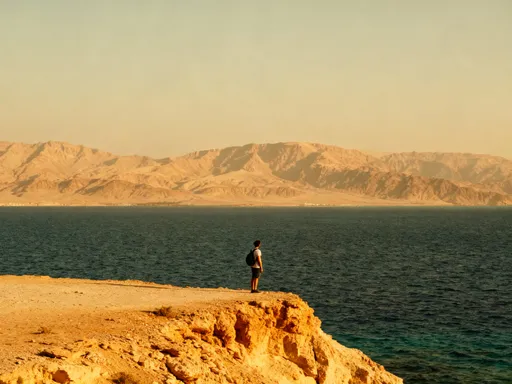
Psychological studies have shown that exposure to expansive, beautiful natural vistas reduces stress and increases feelings of well-being. The human brain responds positively to open spaces, rich colors, and natural symmetry—elements abundant in Sharm El Sheikh’s desert-meets-sea scenery. When you stand on a quiet cliff overlooking the Red Sea, the mind quiets. The horizon stretches endlessly, and for a moment, daily worries dissolve. This restorative effect is strongest when viewing conditions are optimal: clear skies, soft lighting, and minimal distractions. That’s why choosing the right spot, time, and method of observation isn’t just about better photos—it’s about deeper experiences.
Sharm El Sheikh’s unique environment combines arid mountains, turquoise waters, and rich marine life, creating a visual palette unlike any other. But these elements only reveal their full beauty under the right conditions. Visibility can shift dramatically based on time of day, season, and location. For example, morning light enhances the contrast between golden dunes and deep blue sea, while midday sun can wash out colors and create harsh shadows. Understanding these dynamics allows travelers to plan not just *where* to go, but *how* to see it. The difference between a fleeting glance and a soul-stirring view often comes down to preparation and perspective.
Top Viewpoints for Iconic Landscapes
No visit to Sharm El Sheikh is complete without witnessing the dramatic meeting of desert and sea at Ras Mohammed National Park. This protected area marks the southern tip of the Sinai Peninsula, where rugged cliffs plunge into crystal-clear waters teeming with marine life. From the designated viewing platforms, visitors are treated to sweeping panoramas that stretch from arid mountain ridges to the endless expanse of the Red Sea. On clear days, the water’s surface shimmers in shades of emerald and sapphire, revealing coral formations just beneath the surface. It’s a visual symphony of earth and ocean, best appreciated from the elevated trails that wind through the park.
One of the most accessible yet underappreciated vantage points is along the coastal path near Naama Bay. While most tourists linger on the beach or in cafes, a short walk uphill reveals a series of natural terraces perfect for sunset viewing. As the sun dips below the horizon, the sky ignites in hues of amber, rose, and lavender, reflecting off the calm bay and silhouetting the distant mountains. The city lights begin to twinkle, creating a gentle contrast between nature’s grandeur and human presence. This blend of urban coastline and natural beauty offers a uniquely balanced perspective, especially during the cooler months when the air is crisp and visibility is at its peak.
For those seeking solitude, the hills surrounding Hadaba offer a quieter alternative to the more popular spots. These elevated areas are less developed, with dirt paths leading to secluded lookouts that face east toward the Gulf of Aqaba. From here, the view unfolds without interruption—rolling desert hills, scattered acacia trees, and the shimmering water below. Because this area sees fewer tourists, it’s possible to enjoy the landscape without competing for space or enduring loud music from nearby resorts. Early risers are rewarded with mist rising off the wadis and the soft glow of dawn illuminating the rock faces. It’s a place where time slows, and the act of looking becomes a form of meditation.
Underwater Viewing: Where Snorkeling Meets Spectacle
Beneath the surface, Sharm El Sheikh transforms into a living kaleidoscope. The underwater world here is among the most visually rich on the planet, with coral reefs that host over 1,000 species of fish and 250 types of coral. Two of the most celebrated spots for underwater viewing are the Shark Observatory and the reefs surrounding Tiran Island. At the Observatory, a submerged plateau attracts reef sharks, eagle rays, and schools of barracuda, all moving gracefully through a garden of hard and soft corals. The water’s clarity—often exceeding 30 meters—means visibility is exceptional, allowing even novice snorkelers to witness the full drama of marine life up close.
Tiran Island, located just offshore, is another prime destination for visual immersion. Its four main reefs—Little Giftun, Mohamed, Southwest, and Northwest—each offer distinct underwater landscapes. Some are dominated by towering coral walls, others by vast sandy plains dotted with sea fans and anemones. The key to maximizing the visual experience lies in timing and positioning. Morning dives or snorkels are ideal, as sunlight penetrates the water at a low angle, illuminating colors in vivid detail. By midday, especially in summer, surface glare can reduce underwater contrast, making it harder to appreciate subtle hues and textures.
To ensure unobstructed views, consider booking a glass-bottom boat tour or a small-group snorkeling excursion. Large tourist boats often anchor in crowded areas, leading to congested reefs and limited visibility due to stirred-up sediment. In contrast, smaller operators can access quieter zones and allow more time at each site. Glass-bottom boats are particularly valuable for non-swimmers or those who prefer a dry vantage point. They glide silently over the reefs, offering a panoramic view of the marine ecosystem without disturbing the environment. For the most immersive experience, however, nothing compares to floating just above the reef, watching parrotfish nibble at coral and moray eels peek from rocky crevices.
Timing Is Everything: Light, Season, and Crowd Cycles
The quality of a view in Sharm El Sheikh is deeply tied to timing. While the destination enjoys sunshine year-round, the best visual experiences occur during specific windows of light and season. Early morning, just after sunrise, offers the clearest skies and softest illumination. The air is still, humidity is low, and the desert landscape glows in warm, golden tones. This is the perfect time for photography, hiking, or simply standing in awe of the horizon. Similarly, the golden hour before sunset casts a magical light across the water, enhancing color saturation and creating long, dramatic shadows that add depth to the scenery.
Seasonal variations also play a crucial role. Winter months—November through March—bring cooler temperatures and crisper air, resulting in superior long-distance visibility. Mountain outlines appear sharper, and the sea takes on a deeper blue. This is especially beneficial for aerial views or distant landscape photography. In contrast, summer—June through August—offers calmer seas and warmer water, making it ideal for snorkeling and diving. While daytime heat can create haze, early mornings and late afternoons remain visually rewarding. Travelers who plan their visits around these seasonal strengths often report a more satisfying visual experience.
Crowd patterns further influence viewing quality. Peak tourist season, from December to February, brings larger numbers, especially around holidays. Popular spots like Ras Mohammed and Tiran Island can feel congested, with multiple boats anchored close together. For a more peaceful experience, consider visiting in the shoulder months of April or October, when weather remains pleasant but crowds are thinner. Additionally, planning activities around lunar cycles can enhance certain experiences. For example, night dives during a new moon, when ambient light is minimal, can reveal bioluminescent plankton sparkling in the water like stars. These fleeting, magical moments are best appreciated in calm, dark conditions—another reason why timing is not just convenient, but essential.
Choosing the Right Tours for Maximum Visual Impact
Not all tours are created equal when it comes to viewing quality. The type of tour you choose—private versus group, small boat versus large vessel—can significantly affect your ability to see and absorb the scenery. Large group tours often prioritize efficiency over experience, rushing from one site to another with limited time for observation. Passengers may have to wait their turn to peer over the side of a crowded boat, and seating positions can block key views. In contrast, smaller, private tours offer more flexibility, better sightlines, and personalized guidance from experienced operators who know the best angles and hidden vantage points.
Experienced guides are among the most valuable assets for visual discovery. They understand tidal patterns, light conditions, and animal behavior, allowing them to position groups for optimal viewing. For instance, a skilled dive master might time a descent to coincide with a school of jacks making their daily pass, or suggest a specific snorkel route that follows a coral ridge for continuous visual interest. These insights are rarely found in generic tour itineraries but make a profound difference in the richness of the experience. When selecting a tour, look for operators with strong reviews, certified guides, and a focus on sustainable, low-impact practices.
It’s also worth considering the pace of the tour. Rushed itineraries leave little room for stillness—the kind of quiet observation that allows beauty to truly register. A slower, more deliberate approach gives travelers time to adjust, breathe, and truly see. Whether on land or sea, the best tours build in moments of pause, encouraging guests to simply look, listen, and absorb. These intentional breaks often become the most memorable parts of the journey, where the landscape moves from background to presence. Choosing a tour that values depth over quantity ensures that every view feels earned and meaningful.
Viewing from Above: Helicopter and Balloon Options
For a truly transformative perspective, few experiences compare to seeing Sharm El Sheikh from the air. Aerial tours—whether by helicopter or hot air balloon—offer a sweeping understanding of the region’s dramatic geography. From above, the contrast between the rust-colored desert and the vivid blue sea becomes unmistakable. Wadis snake through the mountains like veins, and coral reefs appear as intricate lace patterns beneath the waves. This bird’s-eye view reveals patterns invisible at ground level, helping travelers grasp the scale and beauty of the landscape in a single glance.
Helicopter tours are the most accessible option, typically lasting 15 to 30 minutes and departing from Sharm El Sheikh International Airport or nearby resorts. Morning flights are recommended, as the air is clearest and lighting is most favorable. These tours usually follow a route along the coast, passing over Ras Mohammed, Tiran Island, and the southern tip of the Sinai. Some operators offer extended tours that include inland desert formations, providing a fuller picture of the region’s diversity. While more expensive than ground-based activities, the visual payoff is extraordinary—especially for those who appreciate photography or want a comprehensive overview of the area.
Hot air balloon rides, though less common, are emerging as a unique alternative. These early-morning ascents offer a quieter, more serene experience, floating gently over the desert as the sun rises. The slow pace allows for uninterrupted viewing, and the silence—broken only by the occasional burst of the burner—creates a meditative atmosphere. While balloon tours in Sharm El Sheikh are still limited compared to destinations like Cappadocia, they represent a growing niche for travelers seeking both comfort and awe. Regardless of the method, aerial viewing should be approached with safety in mind. Always book through licensed operators with certified pilots and well-maintained equipment, and reserve in advance, especially during peak season.
How to Capture and Preserve the View—Without Losing the Moment
In the age of smartphones and social media, it’s easy to prioritize photographing a view over experiencing it. Yet the most powerful memories often come from moments when we put the camera down and simply look. Photography can enhance a trip, but it shouldn’t replace presence. To strike the right balance, consider using your camera intentionally—take a few well-composed shots, then set it aside. Use a polarizing filter to reduce glare on water and enhance sky contrast, and time your shots for early morning or golden hour when lighting is most flattering. But remember: no photo can fully capture the feeling of standing on a cliff as the wind brushes your face and the sea stretches endlessly before you.
Alternative ways to preserve the moment include journaling or voice memos. A few sentences written on the spot can capture not just what you saw, but how it made you feel—the warmth of the sun, the scent of the desert air, the sound of waves below. These sensory details fade faster than images, yet they are often the most evocative in memory. Audio notes, recorded quietly while watching a sunset, can preserve the ambient sounds of nature—the rustle of leaves, distant bird calls, or the gentle lap of water. These small acts of documentation deepen connection and create a richer personal archive than photos alone.
Perhaps the most powerful viewing tool is stillness. In a world of constant movement, taking time to pause—just to look, breathe, and absorb—is a radical act. Let your eyes wander without purpose. Notice the way light plays on the water, how shadows shift across the sand, how colors deepen as dusk approaches. These quiet moments of observation foster a sense of peace and belonging. They remind us that beauty isn’t something to be consumed quickly, but something to be lived within. In Sharm El Sheikh, where nature offers so much to see, the greatest gift may not be the view itself, but the stillness it inspires.
Seeing Sharm El Sheikh isn’t just about being there—it’s about how you look. With smarter timing, better positioning, and a few insider choices, ordinary views become lifelong memories. The Red Sea’s beauty is real, but your experience of it depends on perspective. Choose wisely, slow down, and let the landscape truly sink in. The best views aren’t just seen—they’re felt.