You Gotta See These Toronto Viewpoints—Mind-Blowing Photo Spots Revealed
Toronto isn’t just skyscrapers and city buzz—it’s a skyline framed by lake views, hidden rooftops, and unexpected vantage points that take your breath away. I’ve explored every corner of this city to find the most stunning viewpoints where light, angle, and atmosphere come together perfectly for that one shot. Whether you're chasing golden hour over Lake Ontario or a moody downtown panorama, these spots deliver. This is real, tested, and totally worth your time.
Why Viewpoints Matter in Urban Photography
Urban photography has evolved from simple street snapshots to a thoughtful art form that captures the soul of a city. In Toronto, where modern architecture meets the natural beauty of Lake Ontario and the surrounding greenbelt, elevated viewpoints offer more than just a pretty picture—they tell a story. A skyline seen from above isn’t just steel and glass; it’s a dynamic interplay of light, shadow, water, and sky. These perspectives allow photographers and casual observers alike to appreciate the rhythm of the city, the contrast between urban energy and quiet natural spaces, and the way weather transforms familiar landmarks into something entirely new.
The emotional impact of a great viewpoint cannot be overstated. Standing at an elevated spot, especially at dawn or dusk, creates a sense of awe that’s hard to replicate elsewhere. The stillness of the lake reflecting the city’s glow, the way fog rolls in off the water in the early morning, or the sharp clarity of a winter skyline after a snowfall—these moments resonate deeply. They remind us that even in a bustling metropolis, there are pockets of serenity and beauty waiting to be discovered. For many, especially women balancing family, work, and personal time, these quiet visual experiences offer a rare form of mental restoration.
Toronto’s location on the northern shore of Lake Ontario makes it uniquely suited for dramatic cityscapes. The lake acts as a natural mirror, doubling the visual impact of the skyline, especially during sunset. The contrast between the organic curves of the water and the rigid geometry of the buildings creates compelling compositions. Photographers often seek out this duality—nature tamed yet still powerful, the city bold but not dominant. The Great Lakes region, known for its unpredictable weather, adds another layer of depth. A cloudy sky can turn moody and cinematic, while a sudden break in the clouds might flood the scene with golden light, transforming an ordinary shot into something extraordinary.
Lighting and weather are not just variables—they are collaborators in urban photography. The golden hour, that brief window just after sunrise or before sunset, bathes the city in warm, soft tones that enhance textures and depth. Blue hour, the period just after sunset when the sky turns deep indigo, brings out the city’s artificial lights in a way that feels both vibrant and peaceful. Fog, rain, and snow, often seen as obstacles, can actually elevate a photo with atmosphere and mood. Understanding these conditions and planning visits around them can make the difference between a forgettable snapshot and a lasting memory. With a little knowledge and patience, anyone can capture Toronto’s essence from the right spot at the right time.
CN Tower: The Classic, But Not Just for Tourists
The CN Tower remains one of the most iconic structures in North America, and for good reason. At 553 meters tall, it offers an unrivaled vantage point over Toronto and beyond. While often associated with tourists, the tower is a serious destination for photographers who know how to use it creatively. The main observation deck, located at 346 meters, provides a 360-degree view of the city, Lake Ontario, and even the distant Niagara Escarpment on clear days. The floor-to-ceiling glass walls ensure unobstructed shots, and the outdoor Sky Terrace adds a refreshing openness, especially in warmer months.
One of the most thrilling aspects of photographing from the CN Tower is the glass floor. While not for the faint of heart, it allows for unique downward compositions—capturing the streets below as abstract patterns of movement and color. Using a wide-angle lens here can create dramatic distortion, emphasizing the height and scale. For time-lapse enthusiasts, the slow progression of light across the city as day turns to night is a mesmerizing subject. Set up a tripod (where permitted), use a neutral density filter to manage light, and let the city unfold over time. The transition from daylight to twilight to full night illumination is a visual journey in itself.
To avoid crowds, timing is crucial. Weekday mornings, especially during the off-season (late fall to early spring), offer the best chance for uncrowded decks. Early morning visits also provide softer light and fewer people, making it easier to compose clean shots without bystanders in the frame. Sunset is naturally popular, but arriving 30 to 45 minutes before peak light allows you to secure a good position. Consider visiting during special events, such as the annual holiday light display or Canada Day fireworks, when the tower and surrounding areas are beautifully illuminated.
Accessibility is another strength of the CN Tower. Elevators are fast and efficient, and the entire experience is wheelchair-friendly. Staff are trained to assist visitors, and photo opportunities are designed with all skill levels in mind. Whether you’re using a smartphone or a professional DSLR, the tower provides a platform for success. The key is to look beyond the obvious skyline shot—try framing the lake with passing boats, zoom in on architectural details, or capture reflections in the glass. The CN Tower isn’t just a viewpoint; it’s a canvas.
Rooftop Gems: Where Locals Snap the Skyline
While the CN Tower offers height, Toronto’s rooftop bars and public terraces provide atmosphere. These spaces blend comfort with stunning views, making them ideal for both casual photos and more deliberate compositions. Unlike exclusive lounges that require reservations or high minimum spends, several rooftop venues welcome the public and offer accessible vantage points. Places like the Radian Hotel rooftop or the Manulife Centre’s open-air terrace provide panoramic views without the hassle of booking weeks in advance.
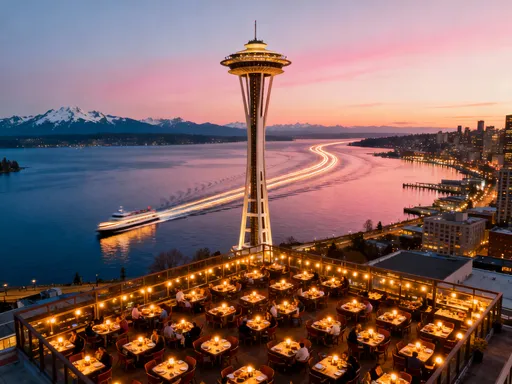
The vibe at these spots is relaxed yet vibrant. During summer evenings, you’ll find families, couples, and groups of friends enjoying drinks and conversation under string lights. For photographers, this means natural human elements can be included in wide shots to add life and scale. Sunset is the golden moment here—when the sky turns pink and orange, and the city lights begin to twinkle. A mid-range zoom lens works well for capturing both the skyline and the ambiance of the rooftop itself. Don’t overlook details: the steam rising from a drink, the silhouette of a person against the horizon, or the reflection of the sky in a glass.
Access to these rooftops is generally straightforward. Most are located in downtown or midtown areas, reachable by public transit or a short drive. The Radian Hotel, for example, is near the Osgoode subway station and offers a spacious outdoor deck with unobstructed south-facing views. The Manulife Centre, above the Mink Mile, provides a more elevated perspective with sightlines stretching to the lake. Both locations are open to the public during operating hours, though some may require a purchase for seating. It’s always wise to check current policies online before visiting.
Responsible photography is essential in these shared spaces. While it’s tempting to set up a tripod and take your time, be mindful of other guests. Use compact equipment when possible, avoid blocking walkways, and respect privacy. These rooftops are social spaces first, photo studios second. By being considerate, you not only maintain a positive environment but also increase the chances of capturing genuine, unposed moments that reflect the true spirit of the city.
Toronto Islands: Nature’s Frame for the Skyline
The Toronto Islands offer one of the most picturesque—and peaceful—viewpoints in the city. Just a short ferry ride from the foot of Bay Street, this car-free archipelago feels like a world apart. From Ward’s Island to Centre Island, the skyline rises dramatically across the water, framed by trees, gardens, and the gentle lapping of waves. This contrast between urban grandeur and natural tranquility is what makes the islands so special. It’s a place where families bike, children play on beaches, and photographers find endless inspiration.
The most iconic shot from the islands is the downtown skyline viewed from the eastern tip of Ward’s Island. Here, the CN Tower, First Canadian Place, and the newer skyscrapers align perfectly, especially at sunrise. The water acts as a mirror, doubling the impact of the buildings and softening their edges with ripples. Summer brings lush greenery and blooming flowers, adding color and texture to compositions. Winter, though quieter, offers its own magic—frozen docks, snow-dusted paths, and a crisp, clear view of the city under a pale sun. Each season tells a different story.
Getting to the islands is simple and affordable. The Toronto Island Ferry operates year-round from the Jack Layton Ferry Terminal, with frequent departures during peak hours. Bikes are welcome, and rentals are available on-site. For photographers, this means flexibility in movement—riding to different vantage points, setting up at various angles, and returning at different times of day. A polarizing filter is highly recommended to reduce glare on the water and enhance sky contrast. A tripod helps with long exposures, especially in low light.
What makes the islands truly unique is the sense of calm they offer. In a city that never stops moving, this space feels suspended in time. You can sit on a bench, sip tea from a thermos, and watch the light change over the water. For women managing busy households, this kind of quiet observation is a rare luxury. The islands don’t just offer great photos—they offer mental space. And in that stillness, creativity flourishes.
Ashbridge’s Bay & Leslie Street Spit: Wild Vistas
For those seeking less crowded, more rugged viewpoints, Ashbridge’s Bay and the Leslie Street Spit are hidden treasures. These semi-wild areas combine natural habitats with industrial backdrops, creating a unique aesthetic that’s both raw and beautiful. Ashbridge’s Bay, located in the east end, features a marshland preserve with walking trails and open water views. The Leslie Street Spit, officially known as Tommy Thompson Park, extends into Lake Ontario and is a haven for birds, wildflowers, and photographers drawn to its untamed character.
The visual appeal of these locations lies in their juxtaposition. From the Spit, you can frame the distant downtown skyline with foreground elements like rusted metal, weathered wood, or clusters of reeds. The contrast between nature reclaiming industrial remnants and the polished city in the distance creates a narrative of balance and resilience. In spring and summer, the area teems with birdlife—herons, swans, and even the occasional osprey—adding movement and life to still images. Autumn brings golden hues and dramatic cloud formations, while winter offers stark, minimalist compositions.
Access is straightforward but requires a bit more planning. The Leslie Street Spit is reachable by bike or foot from the mainland, with a long, scenic pathway leading into the park. Ashbridge’s Bay has multiple entry points, including from the Boardwalk at Lake Shore Boulevard. Both areas are protected to preserve wildlife, so visitors are asked to stay on marked trails and avoid disturbing nests or vegetation. Drones are not permitted without special authorization, and large tripods should be used discreetly.
From a photography standpoint, these spots reward patience. The light is softer here, diffused by the lake and open sky. A telephoto lens can compress the distance between foreground and skyline, creating layered compositions. A wide-angle lens captures the vastness of the landscape. Early morning is ideal—fewer people, cooler temperatures, and the best chance for fog or mist rolling in off the water. These locations aren’t about perfection; they’re about authenticity. They remind us that beauty exists not just in polished cityscapes, but in the wild edges where nature and urban life meet.
University of Toronto Campus: Hidden High Ground
Amid the academic bustle of the University of Toronto’s St. George campus lie several overlooked vantage points that offer unique perspectives on the city. While not towering skyscrapers, the university’s older buildings—constructed with stone, arches, and high stairwells—provide elevated views that are both intimate and expansive. The Gerstein Science Information Centre, for example, has upper-floor windows that look directly toward the CN Tower, framing it between Gothic-style spires. Robarts Library, with its brutalist architecture, offers rooftop-level views from its upper terraces, accessible during certain hours.
These spots are not widely advertised, making them ideal for quiet, reflective photography. The contrast between the university’s historic architecture and the modern skyline creates a visual dialogue between past and present. Golden hour light filters through stained glass and casts long shadows across courtyards, adding depth and warmth to images. A moderate telephoto lens can isolate specific buildings or capture the interplay of light and shadow on stone facades.
Public access is generally permitted, though some areas may have restricted hours or require building entry. Visitors are expected to behave respectfully—no loud noises, no blocking stairwells, and no trespassing into private or academic spaces. The campus is a working environment, and students deserve quiet and privacy. By being mindful, photographers can enjoy these spaces without disruption. Early mornings and weekends tend to be quieter, offering more flexibility for composition.
What makes these viewpoints special is their sense of discovery. They’re not on tourist maps, yet they offer some of the most authentic city views. For women who appreciate history, architecture, and subtle beauty, the university campus provides a rich tapestry of visual storytelling. It’s a reminder that great perspectives aren’t always about height—they’re about perspective.
Sunset at Ontario Place & The Fort York Lookout
Ontario Place and the Fort York National Historic Site represent two underrated yet powerful vantage points where history and modernity converge. Ontario Place, currently undergoing revitalization, still offers open walkways and wide sightlines across the lake. Its symmetrical design and concrete platforms create strong geometric compositions, especially at sunset. The reflection of the sky on the water, the silhouette of the skyline, and the occasional passing ferry make this a dynamic location for both still and motion photography.
The Fort York Lookout, located just west of downtown, provides a different kind of energy. Perched above the Gardiner Expressway, this elevated park offers a sweeping view of the lakefront and the western edge of the skyline. The contrast between the historic fort walls and the modern city in the background creates a layered narrative. At sunset, the light hits the glass towers at just the right angle, setting them ablaze with color. The area is pedestrian-friendly, with benches and open space for setting up shots.
Both locations are easily accessible by public transit and safe for solo visitors, including women traveling alone or with children. Ontario Place has ample parking and wide pathways, making it stroller-friendly. Fort York is well-lit and monitored, with regular foot traffic in the evenings. Safety considerations include staying on marked paths, avoiding restricted zones, and being aware of surroundings, especially after dark. Neither site has major hazards, but common sense goes a long way.
Photographically, these spots offer strong visual storytelling potential. Ontario Place’s open layout allows for wide-angle compositions, while Fort York’s elevated position provides depth and context. The key is to arrive early—about 45 minutes before sunset—to scout locations and set up. Use a tripod for stability, and experiment with different exposures to capture the full range of light. These locations may not be as famous as the CN Tower, but they deliver just as much impact.
Final Thoughts: Chasing Light, Not Just Likes
Toronto’s most breathtaking views aren’t just found—they’re felt. They come from standing in the right place at the right time, from noticing how light dances on water, how shadows stretch across stone, and how the city breathes with the rhythm of the lake. This isn’t about chasing social media likes or perfect filters. It’s about connection—to place, to moment, to self. For women who give so much of their time and energy to others, these quiet acts of observation can be deeply restorative.
The best photographs aren’t the ones with the most likes; they’re the ones that bring you back to a feeling. The crisp air on the Toronto Islands at dawn. The hum of the city rising from a rooftop terrace. The stillness of a winter skyline from the Leslie Street Spit. These are the moments that stay with you. They remind you to look up, to slow down, to see the beauty in the everyday.
So go beyond the obvious. Explore with curiosity. Respect the spaces you enter. And when you find that perfect viewpoint, take a deep breath before you raise your camera. Let the scene settle in your heart first. Because Toronto’s true beauty isn’t just in its skyline—it’s in the way it makes you feel when you see it from a new angle. Chase the light. Capture the soul. And let the city surprise you.