Lost in the Hills: Cordoba’s Secret Spots Most Travelers Never See
Ever wondered where the real magic of Argentina hides? It’s not in the crowded plazas of Buenos Aires—it’s tucked in the sierras of Cordoba. I stumbled upon quiet mountain trails, hidden waterfalls, and sleepy villages where time moves slower. This isn’t the postcard version of Argentina. This is the raw, green, soul-soothing side most tourists miss. If you're craving views that take your breath away without the crowds, Cordoba’s off-the-beaten-path gems are calling. Far from the polished streets of major cities, this central province reveals a quieter rhythm—one shaped by centuries-old traditions, untouched nature, and a deep connection to the land. For travelers seeking authenticity over spectacle, Cordoba’s hidden corners offer an experience both grounding and transformative.
Beyond the City: Why Cordoba’s Hidden Corners Deserve Your Attention
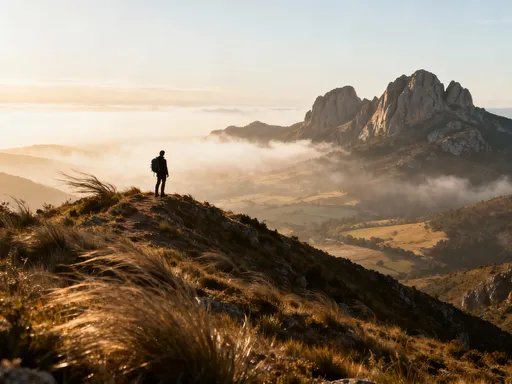
Cordoba is often overshadowed by Argentina’s more famous destinations—Buenos Aires for culture, Mendoza for wine, Patagonia for wilderness. Yet this central province holds a quiet power that unfolds gradually, revealing itself in sun-dappled forests, whispering streams, and villages where life follows the seasons. While many visitors spend their time in the colonial capital with its grand Jesuit architecture and bustling markets, the true heart of Cordoba beats in its rural highlands. The sierras—low mountain ranges carved by time and water—form a landscape of gentle peaks, lush valleys, and granite outcrops that glow amber at sunset. These hills are not dramatic in the way of the Andes, but they possess a subtle beauty that lingers in memory.
What makes these hidden corners so compelling is their sense of untouched authenticity. Unlike the well-trodden paths of Bariloche or Iguazú, Cordoba’s backcountry remains largely uncommercialized. There are no cable cars, few entrance fees, and minimal signage. This lack of infrastructure might seem like a drawback, but for thoughtful travelers, it’s a gift. It means encounters feel genuine—whether sharing a meal with a local family or discovering a waterfall with no one else in sight. The region offers solitude without isolation, adventure without danger, and beauty without performance. It’s a place where you can walk for hours and see only hoofprints and bird tracks.
Moreover, Cordoba’s geography creates microclimates ideal for year-round exploration. Summers are warm but tempered by altitude, while winters bring crisp air and occasional frost, perfect for cozy fires and slow mornings. Spring and autumn paint the hills in soft greens and golds, making every trail a visual delight. For those accustomed to Argentina’s urban intensity, this slower pace is not just refreshing—it’s restorative. The province invites a different kind of travel, one focused on presence rather than checklist tourism. Here, the journey matters more than the destination, and the act of wandering becomes a form of quiet celebration.
The Sierra de Comechingones: A Rugged Playground Waiting to Be Explored
Stretching west of Cordoba’s capital, the Sierra de Comechingones rise like ancient sentinels over the surrounding plains. Named after the indigenous people who once inhabited these lands, these mountains are less visited than the nearby Sierras Chicas or Grandes, yet they offer some of the most striking scenery in the region. Their rugged terrain is shaped by millions of years of erosion, leaving behind dramatic rock formations, deep ravines, and panoramic viewpoints that stretch across rolling hills and distant horizons. This is not a landscape designed for convenience; it rewards those willing to venture beyond paved roads and marked trails.
One of the most accessible entry points is the village of Villa Aberastain, a quiet settlement nestled in the foothills. From here, dirt roads wind upward into higher elevations, passing grazing cattle and native quebracho trees. The nearby town of Los Gigantes, though slightly more developed, serves as another gateway, offering basic supplies and local guidance. What sets the Comechingones apart is their sense of wildness. Unlike other parts of Cordoba where tourism has smoothed the edges, this range retains a raw, untamed quality. You might find yourself standing atop a granite plateau with nothing but wind and sky, or tracing a dry creek bed that leads to a hidden grove of algarrobo trees.
For hikers and nature lovers, the appeal lies in discovery. There are no cable cars, no visitor centers, and few interpretive signs—just the land as it has existed for centuries. Trails are often faint, marked only by cairns or the occasional painted rock. This requires a spirit of adventure and a basic understanding of navigation, but the payoff is immense. On clear days, the views extend for dozens of kilometers, revealing patchwork fields, forested slopes, and the occasional glint of a distant river. The silence is profound, broken only by the call of a hawk or the rustle of leaves. In this space, it’s easy to feel small in the best possible way—a reminder of nature’s quiet grandeur.
Hidden Waterfalls and Natural Pools: Nature’s Best-Kept Secrets
Among Cordoba’s most enchanting treasures are its secluded waterfalls and natural swimming pools. Tucked into narrow valleys and shaded by native laurel and molle trees, these spots offer relief from summer heat and a chance to connect with the pulse of the land. One such place lies near the village of Almafuerte, where a series of cascades tumble over moss-covered rocks into clear, cool pools below. The trail leading there is unmarked, requiring a short drive off the main road followed by a 30-minute walk through open fields and rocky paths. But the effort is worth it: the sound of falling water grows louder with each step, until suddenly the glade opens and the waterfall comes into view, shimmering in the dappled light.
In the Punilla Valley, another network of hidden falls awaits those willing to explore beyond the popular resort towns. Near the town of Cosquín, lesser-known trails lead to spring-fed pools surrounded by ferns and wildflowers. These are not developed attractions—there are no changing rooms, no lifeguards, no snack bars. Instead, visitors find peace in simplicity: the feel of smooth stone underfoot, the chill of mountain water on sun-warmed skin, the joy of swimming in a place that feels undiscovered. Some pools are shallow and perfect for wading; others plunge deep enough for a refreshing dive. All are fed by natural springs, ensuring clean, cold water that stays refreshing even on the warmest days.
Visiting these spots responsibly is essential. The best time to go is early morning or late afternoon, when the light is soft and the trails are less crowded. Sturdy hiking shoes with good grip are recommended, as rocks can be slippery when wet. Since many paths are unmarked, it’s wise to travel with a local guide or use a GPS-enabled map. Equally important is leaving no trace: packing out all trash, avoiding soap in the water, and respecting any signs of private property. These places remain hidden not because they are inaccessible, but because they are fragile. Preserving their quiet beauty ensures they stay pristine for future generations of quiet seekers.
The Charm of Forgotten Villages: Where Time Stands Still
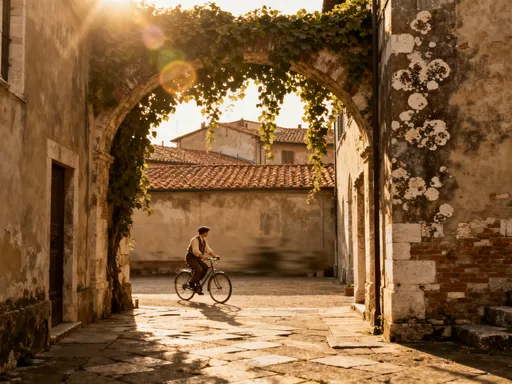
Scattered throughout the sierras are villages that seem to exist outside the rush of modern life. Places like Los Reartes, Mina Clavero, and La Cumbre have welcomed travelers for generations, yet they retain a sense of intimacy and authenticity often lost in more commercialized destinations. These are not theme parks dressed in rustic charm—they are living communities where daily life unfolds at a human pace. Cobblestone streets wind past whitewashed homes with red-tile roofs, flower boxes brimming with geraniums, and small plazas where elders gather in the shade of百年-old trees. The air carries the scent of wood smoke, fresh bread, and damp earth after a summer rain.
In Los Reartes, a weekly artisan market draws locals and visitors alike, offering handwoven textiles, clay pottery, and organic honey harvested from nearby hives. There’s no pressure to buy, no loud music, no crowds—just quiet conversations and the occasional bark of a dog. Mina Clavero, nestled along the banks of the Mina Clavero River, is known for its clean sands and gentle currents, making it a favorite for families. But beyond the riverbank, the village exudes a sleepy charm: small family-run eateries serve hearty stews and grilled chorizo, while guesthouses offer simple, clean rooms with views of the hills.
La Cumbre, perched at a higher elevation, enjoys cooler temperatures and misty mornings that roll in like whispers. Its main street is lined with bakeries, craft shops, and cafes where time slows to the pace of a shared mate. What stands out in these villages is the warmth of the people. Strangers are greeted with a smile, directions given freely, and invitations to join a meal sometimes extended without hesitation. This is not performance hospitality—it’s genuine openness rooted in a culture that values connection over convenience. For travelers, especially those accustomed to transactional tourism, this kind of welcome can feel deeply moving, even transformative.
Hiking Trails That Lead Nowhere—And Everywhere
Hiking in Cordoba’s sierras is less about reaching a destination and more about the act of walking itself. Trails wind through grasslands, cross seasonal streams, and climb to ridgelines where the wind carries the scent of wild herbs. One of the most rewarding areas is Quebrada del Condorito National Park, a protected area known for its deep canyon and the chance to see Andean condors riding thermal updrafts. While the park has designated trails, the real magic often lies beyond them—in the unofficial paths that locals follow to hidden lookouts or quiet groves.
The trails vary in difficulty. Some are well-maintained and suitable for beginners, with gentle inclines and clear markers. Others are rugged and require a good level of fitness, with steep ascents, loose rock, and minimal shade. Regardless of difficulty, each route offers moments of quiet wonder: a sudden clearing with a view of endless hills, the sight of a deer bounding across a meadow, or the sound of silence so complete it feels sacred. Wildlife is abundant but rarely intrusive—foxes, armadillos, and a variety of birds call these hills home, while the elusive puma remains a ghost of the highlands.
Preparation is key. Hikers should carry plenty of water, as natural sources are not always reliable. A detailed map, compass, or GPS device is essential, especially on unmarked trails. Sun protection, including a hat and sunscreen, is crucial, as the high-altitude sun can be intense. It’s also wise to let someone know your route and expected return time. But beyond logistics, the most important preparation is mental: coming with an open mind, a willingness to get lost (in the best sense), and an appreciation for stillness. These trails don’t lead to monuments or trophies—they lead inward, offering space for reflection, clarity, and a renewed sense of wonder.
Local Flavors in Unexpected Places: Food That Feels Like Home
In Cordoba’s countryside, food is not a performance—it’s an expression of place and tradition. Meals unfold slowly, often around a wooden table under a grape arbor, with dishes passed family-style and conversation flowing as freely as the wine. Along country roads, small parrillas—rustic grills—serve slow-roasted meats cooked over wood fires. The beef, raised on local pastures, is tender and rich, seasoned only with salt and time. Chorizo sizzles on the grill, its smoky aroma mingling with the scent of eucalyptus and earth.
Equally memorable are the homemade cheeses produced on family farms. From soft, fresh queijo to aged, crumbly varieties, these dairy products reflect the care and simplicity of rural life. Many farms welcome visitors for tours and tastings, offering a chance to see the animals, meet the cheesemakers, and sample products still warm from the vat. Regional wines, though less famous than those from Mendoza, are worth discovering—light, fruity reds and crisp whites that pair perfectly with mountain air and slow evenings.
What makes these culinary experiences special is their lack of pretense. There are no celebrity chefs, no Instagrammable plating, no imported ingredients. Instead, there is honesty in every bite: food grown, raised, and prepared with intention. For travelers, sharing a meal in a rural home or roadside eatery is not just about nourishment—it’s about connection. It’s a reminder that the most meaningful moments often happen around a table, with full hearts and full plates, far from the noise of the world.
Traveling Responsibly: Keeping the Wild Places Wild
As more travelers seek out Cordoba’s hidden corners, the responsibility to protect these places grows. Sustainable tourism is not a buzzword here—it’s a necessity. The beauty of these landscapes lies in their untouched quality, and preserving that requires conscious choices. Staying on marked trails prevents erosion and protects native vegetation. Packing out all trash, including biodegradable items like fruit peels, helps maintain the natural balance. Avoiding loud noises and large groups ensures that solitude remains possible for those who follow.
Respecting private land is equally important. Many trails pass through working farms or family-owned properties. Always ask for permission before crossing fences or entering fields, and never disturb livestock or crops. When photographing people or homes, a simple nod or verbal request goes a long way in showing respect. These gestures may seem small, but they build trust and honor the communities that steward this land.
Finally, the greatest act of responsibility is restraint. Not every hidden waterfall needs to be posted online. Not every quiet village needs more visitors. Part of the magic of Cordoba’s secret spots is their obscurity. By choosing to protect rather than promote, travelers become guardians of these places. In doing so, they ensure that future generations can also experience the quiet joy of getting lost in the hills—of finding, in the stillness, a deeper sense of where they belong.